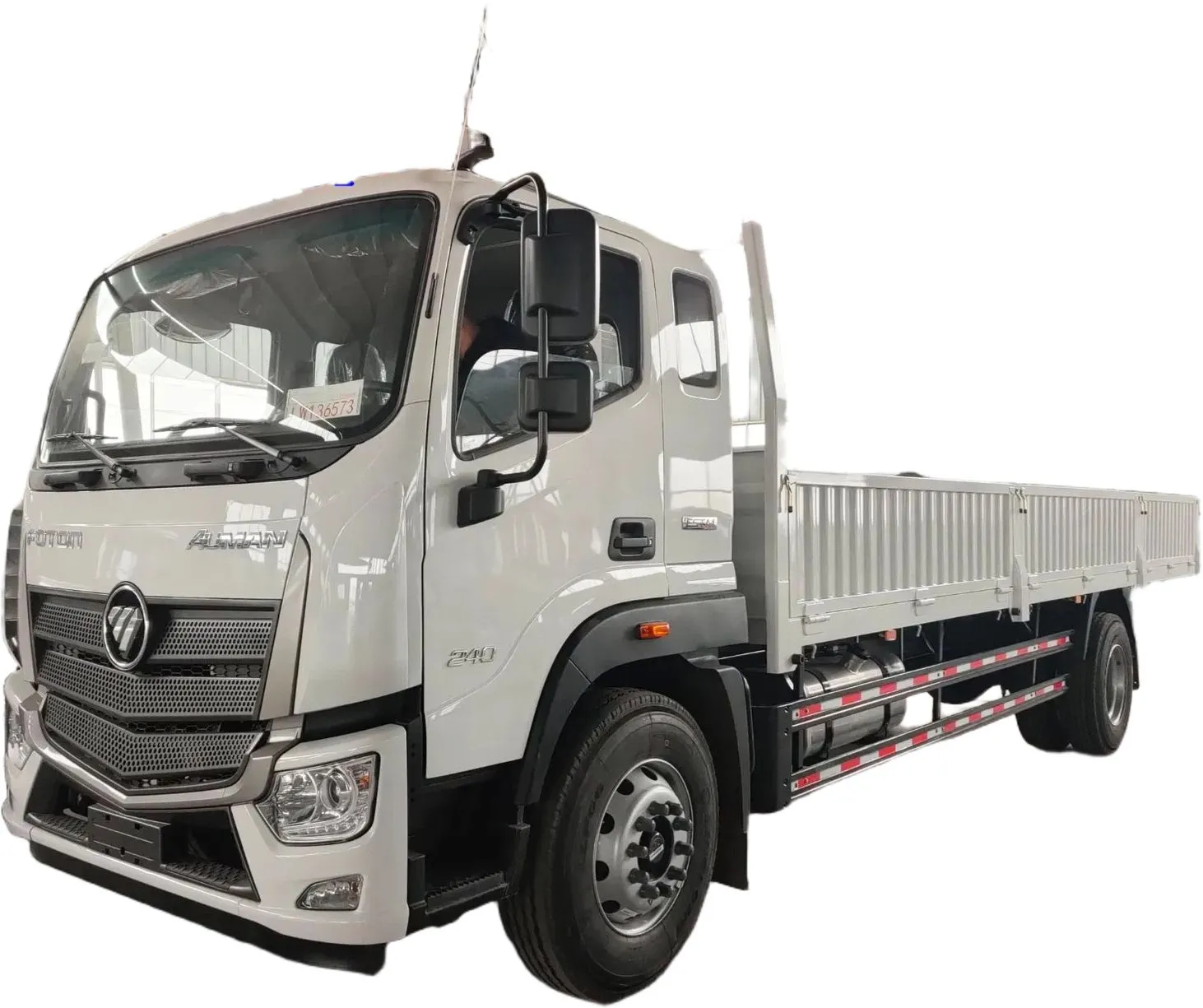
For buyers looking for a practical Chad mini truck, the TM2 is built around a clear operating idea: keep the vehicle compact enough for daily maneuvering, while providing a useful flatbed platform for general cargo work. This left-hand-drive mini truck has a 3.5T GVW, a 5150×1830×1992 mm overall size and a 2850 mm wheelbase. Its single-row cab keeps the layout straightforward, while the 3300×1710×360 cargo platform gives operators a defined working area for goods that are better transported on an open deck than inside a closed van. The three-side opening construction and corrugated floor make the body suitable for repeated loading and unloading, especially when cargo cannot be moved directly through a rear door.
The vehicle uses the 4A2-88C53 diesel powertrain and meets the Euro II emission standard. The available data does not specify horsepower, torque, displacement or fuel consumption, so those figures should be confirmed on the final technical sheet before purchase. What can be stated clearly is that the TM2 is configured as a diesel-powered commercial vehicle for buyers who value a conventional operating structure. The simpler specification allows fleet managers to focus on the points that directly affect daily work: cargo access, body dimensions, axle and tire configuration, braking safety and the completed vehicle weight.
With a 3.5T GVW, this 3.5 ton light truck occupies a useful position between small delivery vehicles and heavier medium-duty trucks. It can be considered for distribution work where a larger truck would add unnecessary size, while a smaller pickup would offer insufficient cargo structure. The GVW is the approved gross vehicle weight of the vehicle specification, not the guaranteed payload. Since the curb weight of the completed truck is not provided, the legal cargo capacity must be calculated after the vehicle and cargo body are finalized and weighed. This is especially important when additional equipment, sideboards, tools or cargo securing systems are installed.
The 2850 mm wheelbase provides a balanced foundation for a compact commercial vehicle. It is long enough to support a 3300 mm flatbed, while the overall width of 1830 mm keeps the vehicle relatively narrow for a working truck. The overall height is 1992 mm, which helps maintain a compact vehicle profile for loading areas, market streets and depot access. Buyers should still check the final body height and any optional equipment because the listed dimensions describe the specified vehicle, while local body modifications may change the completed dimensions.
The cargo body is one of the TM2's strongest practical features. The platform measures 3300×1710×360, and the design is described as a flatbed cargo box with three-side opening doors and a corrugated floor. A three-side opening body gives operators more than one loading direction. Cargo can be approached from the rear or either side, reducing the need to reposition the truck every time the loading point changes. This is useful when goods are delivered to several customers in one route, when loading equipment is positioned beside the vehicle, or when the vehicle must work in locations without a dedicated loading dock.
The 360-height side structure provides a defined boundary for general cargo while retaining the accessibility of an open flatbed. The corrugated floor is also suited to repeated commercial use because it provides a structured surface for placing goods and can be combined with suitable ropes, straps or other cargo-securing equipment selected for the actual load. The body should not be treated as a substitute for a certified cargo restraint system. The cargo type, weight distribution and local transport rules must determine how goods are secured before the vehicle enters service.
For a three-side opening flatbed truck, the real business advantage is loading flexibility rather than a promise of one specific cargo type. The TM2 can be considered for packaged goods, building supplies, agricultural products, workshop materials and other items that do not require a sealed cargo compartment. The open platform also makes it easier for local operators to adapt the vehicle to different work requirements. However, any added rack, canopy, box, sideboard or special equipment should be included in the final weight calculation, because every modification reduces the remaining legal cargo allowance.
The single-row cab gives the TM2 a clear commercial layout. It is intended to keep the vehicle focused on cargo operations rather than passenger transport. The available data identifies the cab as single-row but does not provide a seat count, so buyers should confirm the approved occupant number in the final vehicle documents. Left-hand drive is specified for this export unit, and operators should verify that this steering arrangement matches the registration, route and fleet requirements in Chad before placing the order.
Safety equipment is centered on ABS. The anti-lock braking system helps prevent wheel lock during emergency braking, allowing the driver to maintain more steering control when braking force is high. ABS is not a replacement for correct tire pressure, regular brake inspection or safe cargo loading, but it is an important electronic safety feature for a commercial vehicle that may operate with changing cargo weight. The final braking specification, including brake type and maintenance intervals, should be confirmed in the vehicle documents because the supplied data identifies ABS but does not list the complete brake hardware.
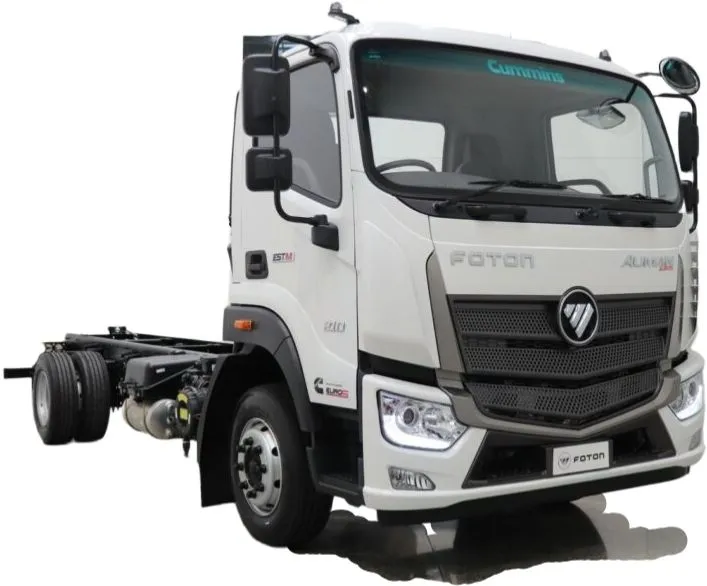
The rear dual-tire configuration is another important part of the working layout. A rear dual tire truck places two tires on each side of the rear axle, creating a broader tire arrangement for a commercial chassis than a single-rear-tire layout. This configuration is commonly considered when the vehicle needs a more structured rear load path and a stable platform for flatbed work. Tire pressure, tire condition and load distribution remain essential. Dual tires must be inspected for matching size, inflation and wear, and the operator should never use the tire arrangement as a reason to exceed the 3.5T GVW.
The TM2 is powered by diesel and uses Euro II emission technology. This emission level should be reviewed together with local registration requirements, fleet standards and the intended operating area before purchase. The engine model is listed as 4A2-88C53, but no engine manufacturer, displacement, output or torque figures are provided in the current specification. For procurement, the buyer should request the engine nameplate data, maintenance schedule, recommended fuel specification and parts information. These documents are more useful for long-term fleet planning than an unverified performance estimate.
Air conditioning is available as an option. Because the supplied specification marks air conditioning as optional rather than standard, the purchase order should state clearly whether the system is included on the delivered unit. This point matters for driver comfort and daily usability, especially when the vehicle is used for repeated deliveries or long working hours. The same confirmation process should cover any additional body equipment, cargo restraints, protective rails and electrical accessories required by the operator.
For fleet owners, the TM2 offers a straightforward purchasing logic. Start with the legal operating weight, confirm the curb weight of the completed vehicle, then calculate the remaining payload. Next, match the cargo body to the daily loading method. If side access is important, the three-side opening design can reduce handling time. If the cargo needs weather protection or additional security, a suitable cover or body conversion may be considered, but its weight and dimensions must be included in the final approval. This approach prevents the common mistake of choosing a body first and checking compliance afterward.
The compact dimensions also support flexible route planning. At 1830 mm wide and 1992 mm high in the listed configuration, the truck can be considered for delivery points where a larger commercial vehicle may be inconvenient. The 3300 mm cargo length gives the operator a defined platform without turning the vehicle into an oversized rigid truck. The 2850 mm wheelbase provides a practical compromise between cargo space and maneuverability, although turning performance should be confirmed through an actual route evaluation before the vehicle is assigned to narrow or congested areas.
Overall, the TM2 is a focused commercial platform for buyers who need a diesel mini truck with a flatbed body, rear dual tires, ABS and left-hand drive. It does not rely on unverified payload, fuel economy or engine-output claims. Instead, its value comes from the information that is clearly defined: a 3.5T GVW, compact dimensions, a 3300×1710×360 flatbed, three-side opening access, a corrugated floor and a conventional 4A2-88C53 diesel configuration. For a buyer planning a Chad mini truck fleet, the next step is to confirm the completed vehicle weight, final cargo-body specification, optional air conditioning and local registration requirements.
In daily cargo service, the best results will come from disciplined loading and maintenance. Keep the total vehicle weight within the 3.5T GVW, distribute cargo evenly across the platform, check the rear dual tires before every route and maintain the ABS system according to the service schedule. Use suitable restraints for the specific cargo and verify that any added equipment is approved for the vehicle. With those controls in place, the TM2 provides a simple platform for regional distribution, agricultural transport, construction-material delivery and general commercial work. It is a 3.5 ton light truck specification that should be purchased on verified completed-vehicle data and matched to the operator's actual route and cargo requirements.
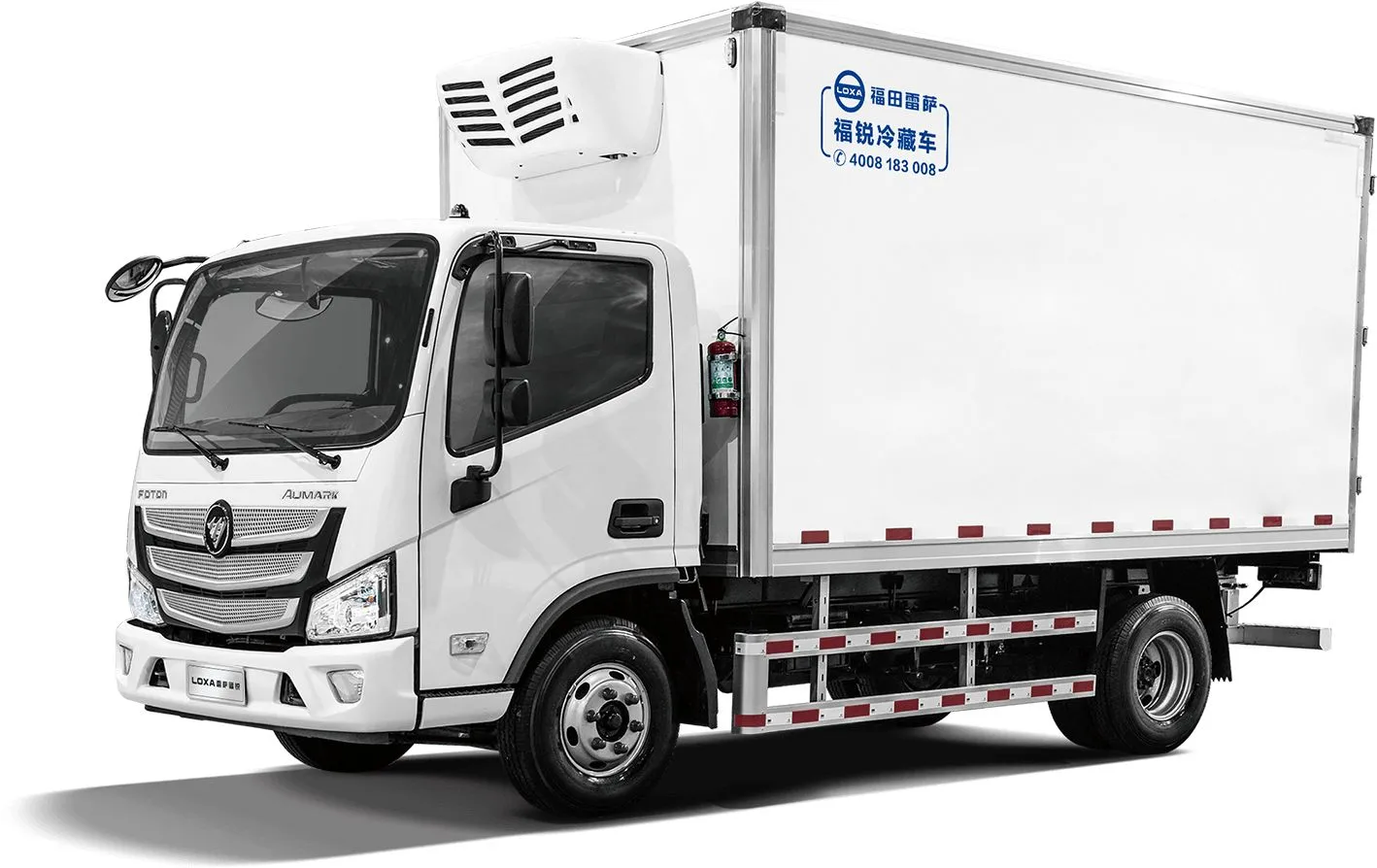
For buyers comparing body styles, the choice between a closed van and a three-side opening flatbed truck should be based on the loading environment. The TM2's open platform is advantageous when cargo is loaded from different directions, when side forklifts or manual loading are used, or when the goods vary in shape. A closed body may be preferable for weather-sensitive or security-sensitive cargo, but that would require a different body solution and a new weight review. The TM2's value is therefore strongest when open access and body flexibility are more important than complete enclosure.
Finally, the rear dual tire truck layout should be treated as part of a complete operating system rather than an isolated feature. Correct loading, tire matching, ABS maintenance and compliance with the 3.5T GVW all work together. The TM2 gives exporters a defined base for that system, with a non-load-bearing body type, single-row cab, left-hand drive and a compact flatbed configuration. The final delivery specification should record every optional component and body modification so the truck can be registered, weighed and placed into service with clear technical documentation.