
| Type-approval No. | BJ6608EVBA3 |
| Type | Passenger |
| GVW | 4.2 |
| Length * width * height (mm) | 5990×2000×2470 |
| Wheelbase (mm) | 3750 |
| Seats | 14/15/17/18 (optional) 2+2+3+3+4/3+2+3+3+4 |
| Driving Form | Rear-mounted, rear-wheel drive |
| F/R axle payload | 1750/2500 |
| Min. ground clearance (mm) | 160 |
| Endurance Mileage | TBD |
| Max Speed (km/h) | 120 |
| Slope gradient (%) | 20 |
| Side sliding doors | Manual |
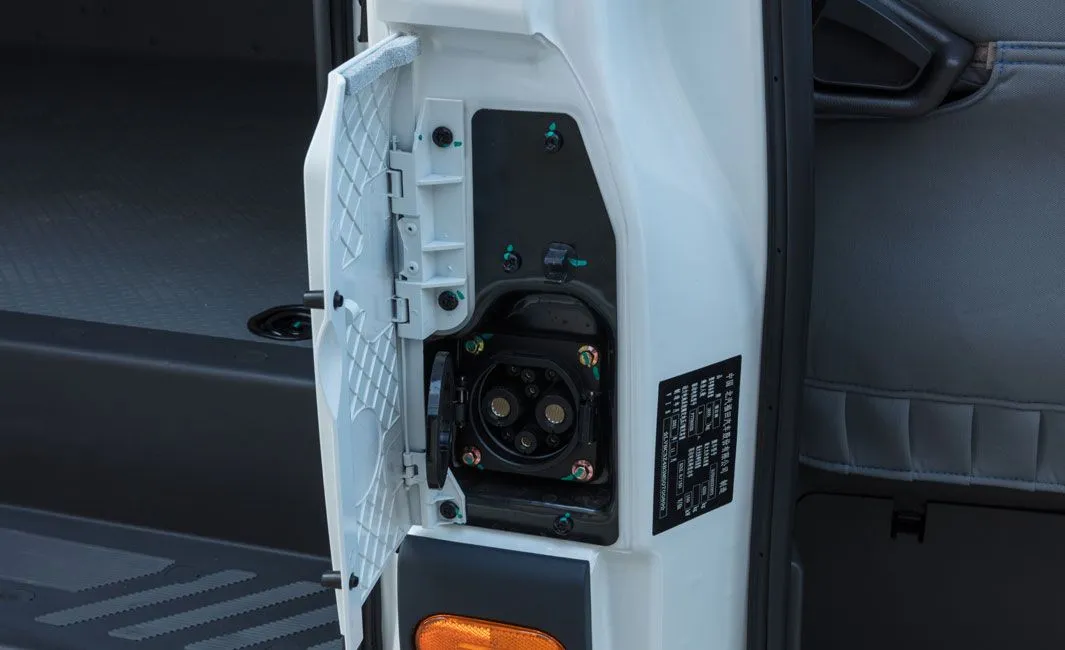
| Charging port form | Fast/Slow charging pile separately |
| Charging port standard | GB |
| Battery Manufacturers | CATL |
| Battery Type | LFP |
| PACK Energy (kW·h) | 86.55 |
| Cooling system | Liquid cooling |
| Charging Time (20-100)% AC/DC | 10h/0.6h |
| Battery Pack | Single |
| Battery Position | Bottom |
| Rated voltage (V) | 540.96 |
| Axle Type | Electric drive axle |
| Motor Type | Permanent magnet synchronous motor |
| Power (Kw/rpm) | 60/130 |
| Torque (N·m/rpm) | 110/360 |
| Brake type | Front and rear disc |
| Tire specifications | 215/75R16C |
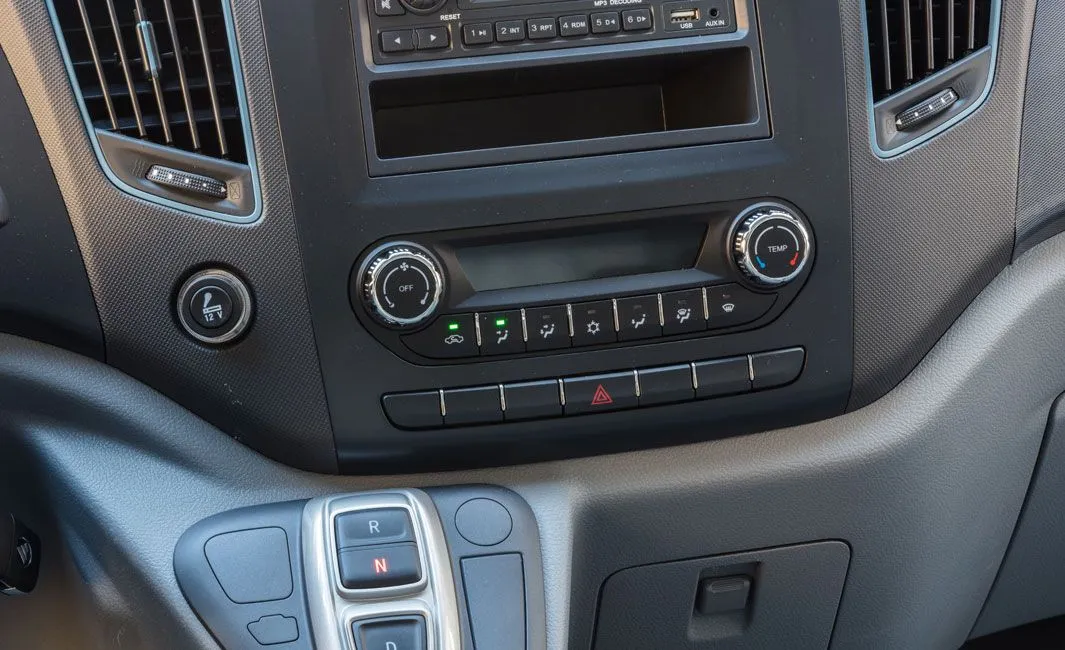
| Air conditioner | Electric |
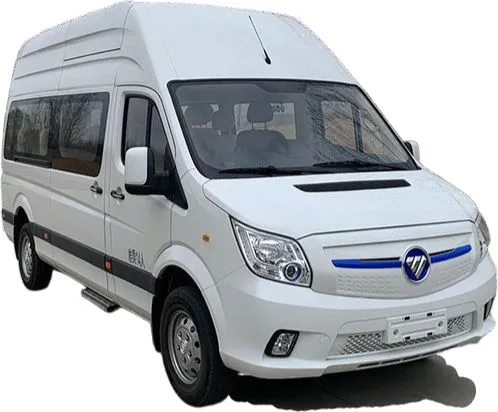

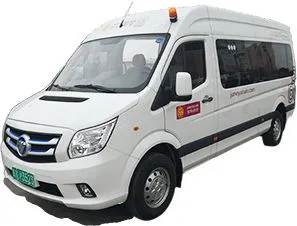
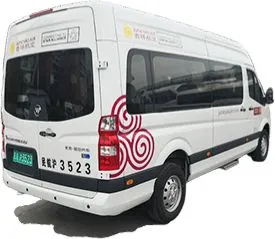
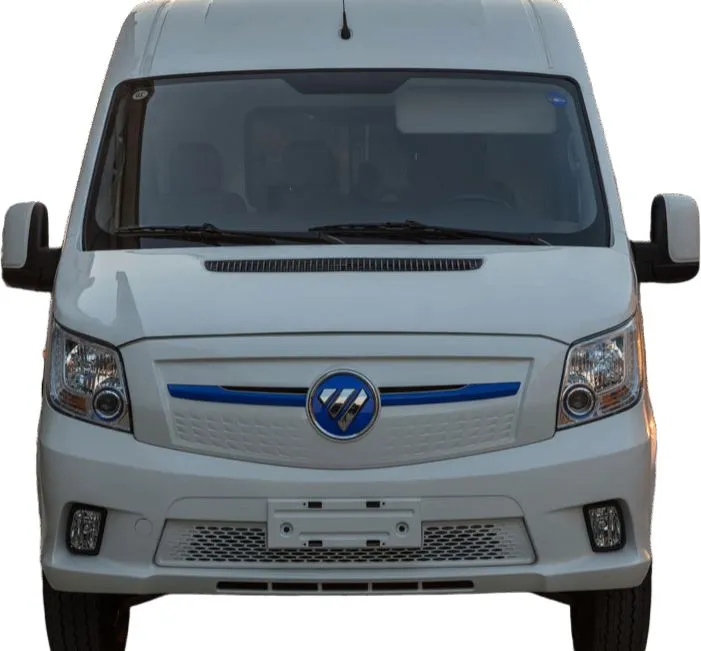
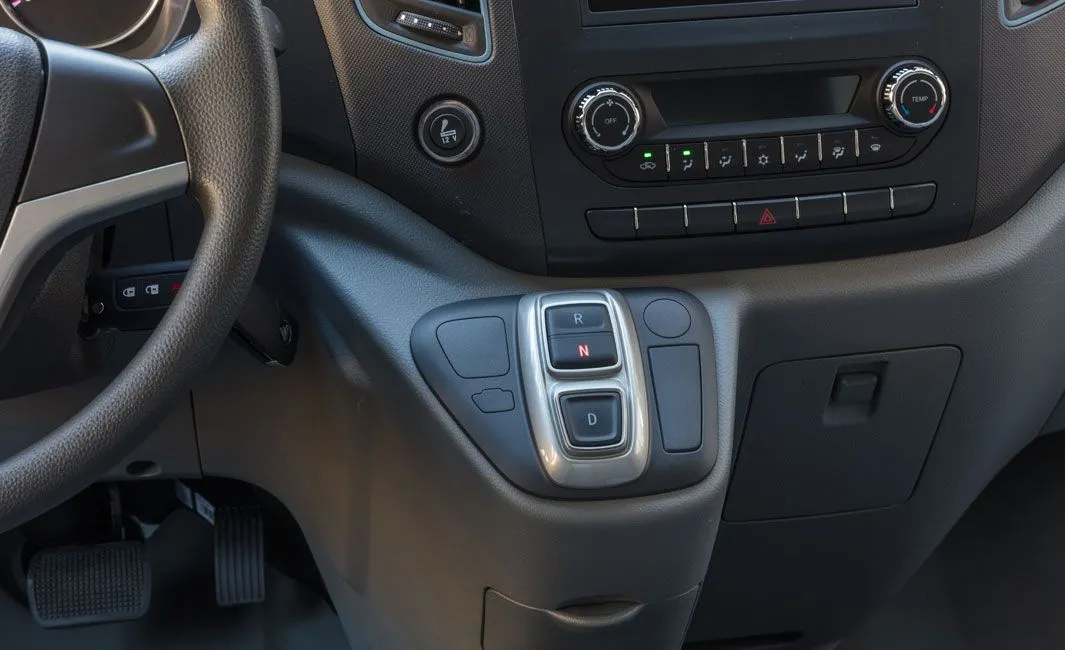
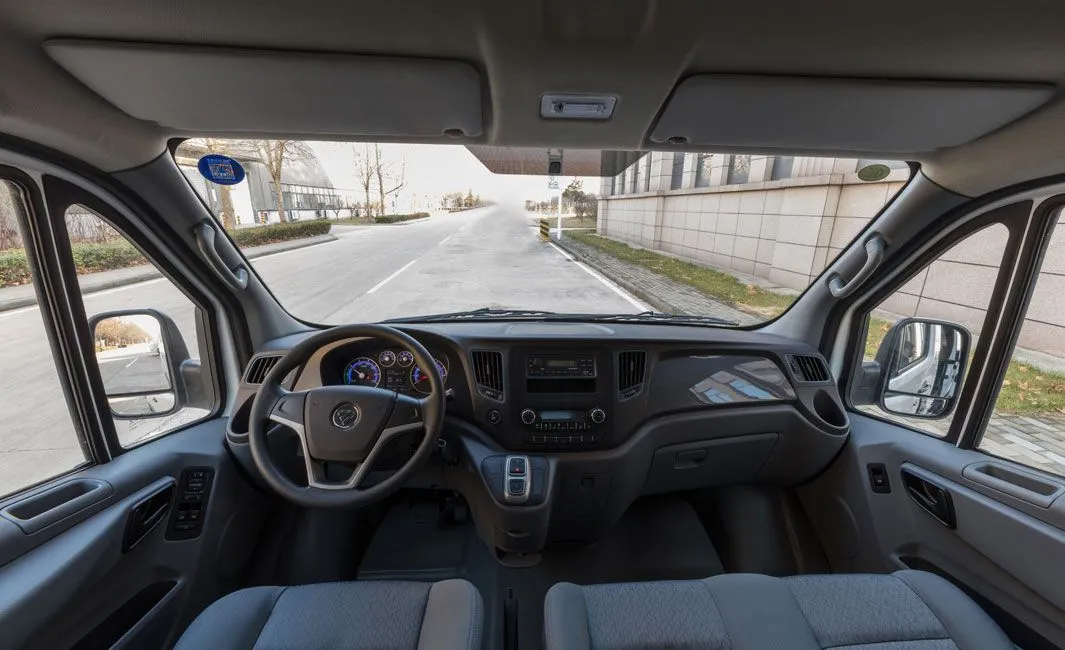
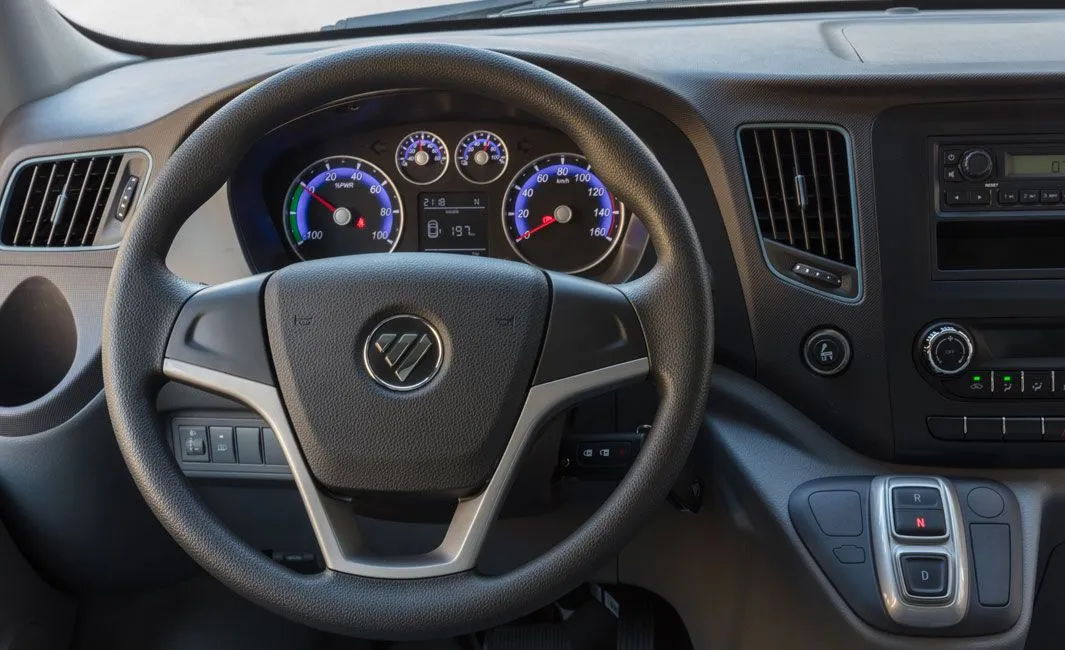
Foton TOANO BJ6608EVBA3 CATL EV electricp assenger van Minibus for Albania
- Color:
- VIEW MORE
Market Price: from $34317 (NO include VAT)
Series: Foton TOANO
Usage scenario: airport passenger shuttle, hotel guest transfer, corporate staff transport, school student shuttle, intercity commuter coach
Max Power: 130
Drive Type: 4x2
Wheelbase(mm): 3750
Engine/Battery: CATL Lithium Iron Phosphate (LFP) GB
Transmission: None


Passenger operators are asked to do more with less: tighter schedules, lower cost per kilometre, quieter cabins, fewer days lost in the workshop. The BJ6608EVBA3 was specified against that brief. It is a 4.2-tonne battery-electric minibus 5990 mm long, with 14 to 18 seats, a CATL liquid-cooled lithium iron phosphate pack rated at 86.55 kW·h, and a rear-mounted permanent magnet synchronous motor driving through an electric drive axle. Every number on the sheet exists to keep the vehicle in service and every seat earning.
Start with road space. At 5990 mm long and only 2000 mm wide, the vehicle fits the same gates, carpark aisles, loading bays and terminal lanes your drivers already know, while the 2470 mm roof gives the saloon genuine headroom instead of the stoop-and-shuffle cabin of a panel-van conversion. The 3750 mm wheelbase is the balancing act: long enough to track steadily at the 120 km/h maximum speed on an apron access road, short enough to turn tightly between parked coaches. For an airport passenger shuttle duty, where one vehicle performs a dozen tight manoeuvres an hour, that small footprint and large internal volume let a single asset replace a larger, more expensive midibus.
Capacity is configurable rather than fixed, which is a commercial advantage in itself. Four factory seat counts are offered, 14, 15, 17 and 18, in two documented layouts, 2+2+3+3+4 and 3+2+3+3+4. Choose the 2+2 forward block when the front passengers are the clients you must impress; choose 3+2 when the route is priced per head and the marginal seat decides profit. A fleet can standardise on one model, one parts list and one training programme while still covering several different contracts. A low-density 14-seat build dressed for luggage becomes a hotel guest transfer vehicle; an 18-seat build on the identical chassis becomes a staff carrier. Same depot, same technicians, same charging bay.
The energy storage system is the largest single cost item on any electric bus, and here the specification is unambiguous. The pack is supplied by CATL, uses lithium iron phosphate chemistry, stores 86.55 kW·h and operates at 540.96 V rated voltage. LFP is chosen for reasons that show up in your accounting rather than in a brochure headline: it tolerates being charged to full every day, it ages more slowly when ambient temperature is high, and it is thermally more stable, which matters in a vehicle that carries passengers and sits in the sun between shifts. The pack is a single unit mounted on the vehicle floor. That low, flat placement drops the centre of gravity, so a tall 2470 mm body still changes lanes without the wallow drivers complain about, and it keeps the battery out of the passenger compartment.
Liquid cooling is standard, and this is the line item that protects all the others. An air-cooled pack in a hot climate runs its cells above the temperature at which they live longest, and cycle life disappears over two or three summers. A coolant loop holds the cells inside their efficient window during the conditions that stress them most: a full load, a long climb, a hot afternoon. Charging is split between separate fast and slow inlets conforming to the GB standard, which removes the argument that a depot needs two vehicles for two duties. Overnight, the vehicle sits on AC and takes 10 hours from 20% to 100%, inside the window between the last evening run and the first morning peak. During the day, DC fast charging restores the same 20% to 100% in 0.6 hours, about 36 minutes, which is a driver break, a crew change, or a scheduled layover.
That 36-minute recovery is the commercial hinge of the whole vehicle. Diesel fleets never lost time refuelling, and that convenience was the strongest objection to battery-electric purchase. Once a mid-shift top-up fits inside a rest period you are already paying for, availability stops being a penalty and the cheaper unit of energy starts to accumulate. A fleet can specify an 86.55 kW·h pack instead of a much larger, heavier and more expensive one, precisely because it is not obliged to carry the whole day's work in the battery. For a two-shift corporate staff transport contract with a break between the night and morning changes, this is what closes the business case: fewer kilograms of lithium to buy, and no idle vehicle waiting for power.
Propulsion is a permanent magnet synchronous motor rated at 60 kW continuous and 130 kW peak, producing 110 N·m continuously and 360 N·m at peak, driving through an electric drive axle with 1750 kg front and 2500 kg rear load ratings. Integrating the drive into the axle removes the propshaft, multi-speed gearbox and clutch, three of the most failure-prone and labour-intensive items on a diesel minibus. Torque also arrives from zero revs. A full load of 18 passengers pulls away from a hillside stop without hunting for gear, without stall, and without the rollback anxiety that makes new drivers nervous. The stated 20% slope gradient rating covers the steepest ramps, parkades, hillside estates and mountain stage roads a shuttle realistically meets.
Maximum speed is governed at 120 km/h, placing the vehicle in two worlds at once: the slow, stop-heavy urban duty where torque matters, and the suburban run where it must hold pace with expressway traffic. There is no gearbox to abuse on either duty. For a fixed-route school student shuttle service the relevant point is not outright speed but repeatability, the same schedule, the same energy draw, the same charging window, with no cold start and no idling exhaust accumulating at the kerb while children board.
Safety hardware has been specified with equal care. Disc brakes are fitted front and rear, which gives repeatable stopping on a 4.2-tonne vehicle and allows any competent local workshop to service them with standard tooling. Tires are 215/75R16C, a commercial-rated size on a 16-inch rim and one of the most widely stocked light-truck sizes in the world, so replacement price and availability are both decided in your favour, and the reinforced carcass carries the 2500 kg rear axle with margin. The side sliding door is manual. That is a deliberate engineering choice rather than a cost cut: on a route with thirty door cycles a shift there is no motor to fail, no sensor to trip, no loom to corrode, and passengers can still be evacuated if the electrical system is not live.
Cabin climate is handled by a fully electric air-conditioning system, and this changes how the vehicle behaves when it is standing still. Cooling continues at full capacity with the drivetrain shut down, so there is no idling fuel burn, no exhaust around a queue of waiting passengers, and no heat soak rising through the floor where the battery sits. For an intercity commuter coach service running a midday layover in direct sun, passengers step into a pre-cooled cabin every single time. A 160 mm minimum ground clearance adds the last practical comfort: speed tables, unlined crossings, flooded gutters and rough site accesses are driven over, not negotiated around.
Where does this profile make money? Start with airside and roadside passenger movement. An airport environment punishes vehicles: short cycles, constant door use, long idle periods, apron gradients, and noise limits diesel cannot satisfy. A compact 5990 mm footprint, a sliding door that will not fail in service, silent traction, electric cooling and a 36-minute DC recovery between arriving flights are what a crew rotation or terminal-transfer airport passenger shuttle scheme needs to hold its timetable without a spare vehicle on standby.
For hospitality and corporate contracts the argument is quieter but equally real. A hotel guest transfer vehicle is judged in the first ten seconds: how easy is the door, how much headroom, how quiet the ride, does the cabin smell of exhaust. A silent minibus with 2470 mm of interior air and no driveline clatter reads as premium service even as the smallest vehicle at the lobby door. A corporate staff transport fleet is judged on the opposite axis, arrival reliability at shift change and cost per head across three shifts. Both customers can be served by the same shell in two seat configurations, which is why buyers order vehicles like this in multiples.
Municipal, education and non-governmental fleets find a different appeal. A 4.2-tonne gross vehicle weight keeps the minibus inside licence and road categories larger coaches cannot enter, while the 160 mm clearance and 20% gradient rating let it serve rural roads and hillside campuses. Zero tailpipe emission at the point of use matters to procurement officers pressured to decarbonise a school student shuttle route without cutting the route itself. A single overnight AC charge covers a normal morning and afternoon run; the 0.6-hour DC path provides recovery for an unexpected late trip. The absence of a conventional engine bay also frees forward space for bags and gives supervisors a clear sightline down the saloon.
Finally, what this vehicle is not. It is not a long-haul motorway coach. It is a schedulable, fixed-route asset, earning best where duty cycles are predictable and a charging window exists between peaks, whether that is a campus run, an apron rotation or an intercity commuter coach timetable on a suburban link. Endurance mileage for this configuration is listed as TBD until the seating build, destination market and applicable test cycle are fixed, and no range figure is claimed here. The pack energy, rated voltage, motor ratings, axle loads and tyre size are documented facts; achievable distance will be confirmed against the exact build you order. Tell us your seat count, your charging infrastructure, your worst gradient and your registration requirements, and the BJ6608EVBA3 is built to that definition.
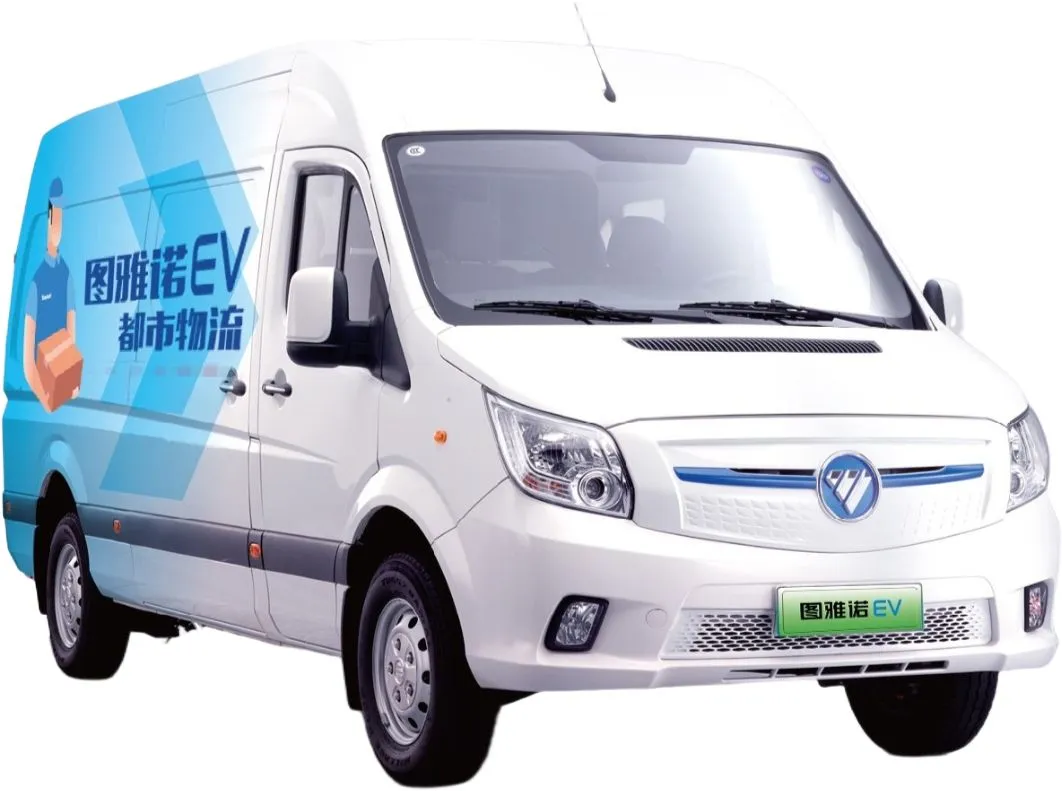
![[USED]Foton Forland EV6 electric passenger van Cargo Van 3050kg GW(2023)](https://cdn.keaikeai.com/uploadfile/upimg/2026-06-25/6a3d32e93596f_1782395625.webp)


