
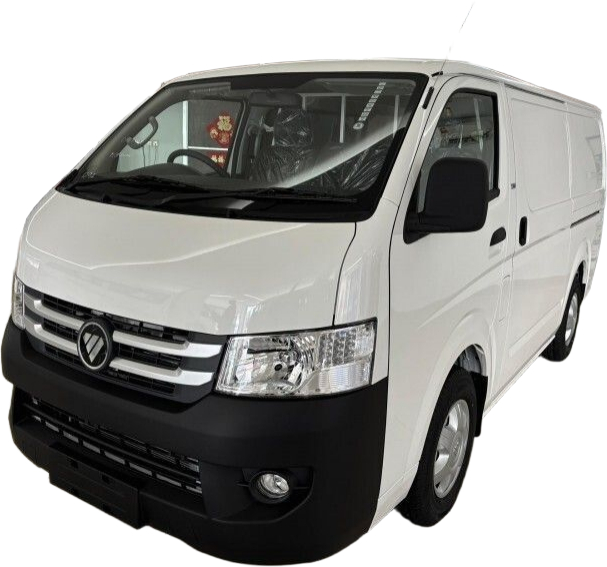
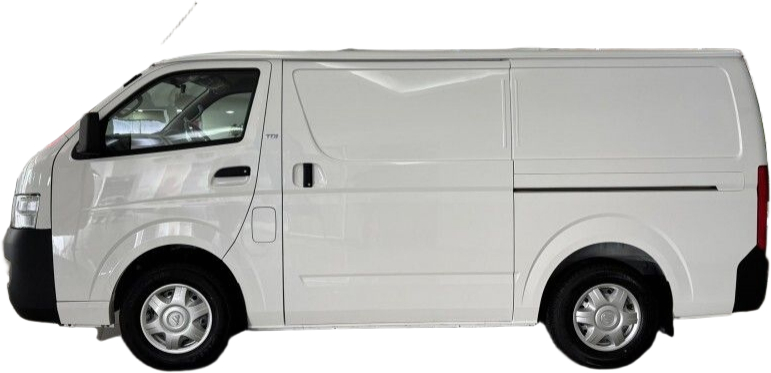
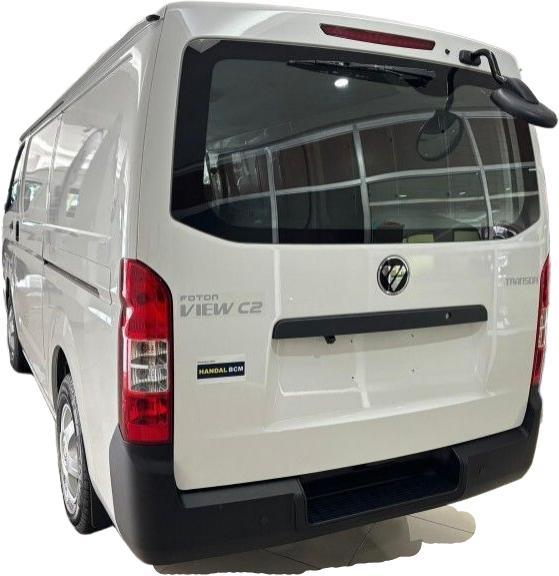
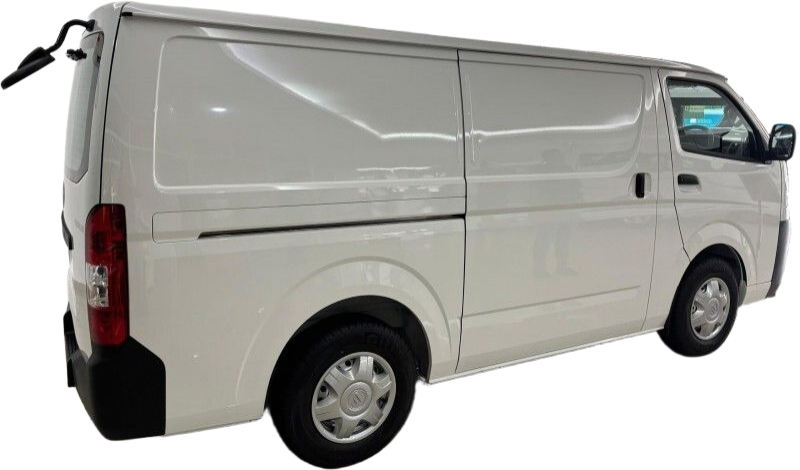
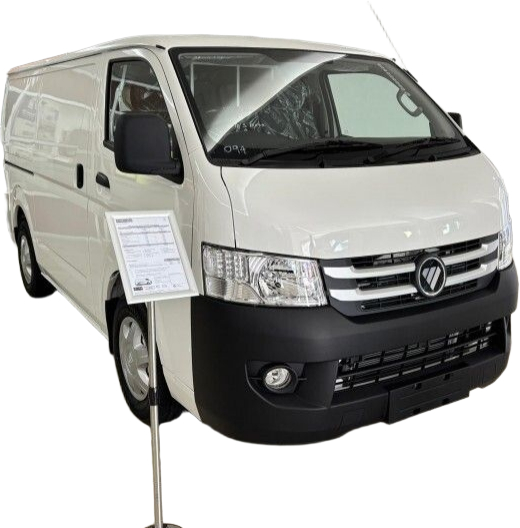
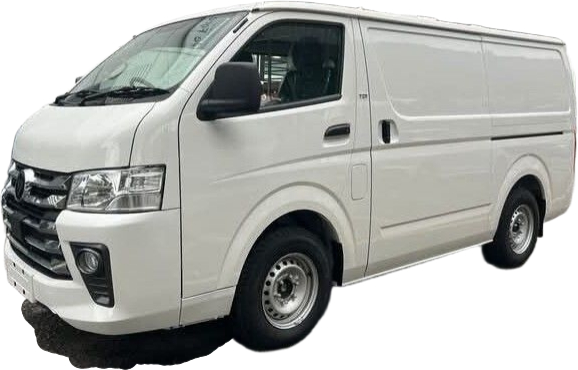
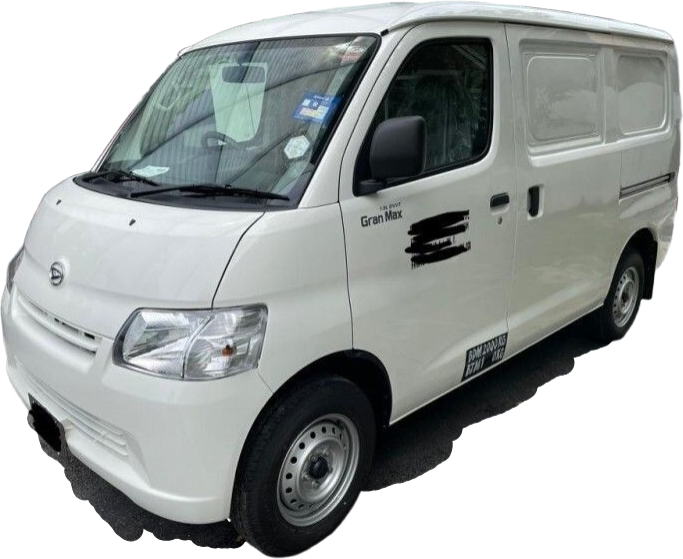
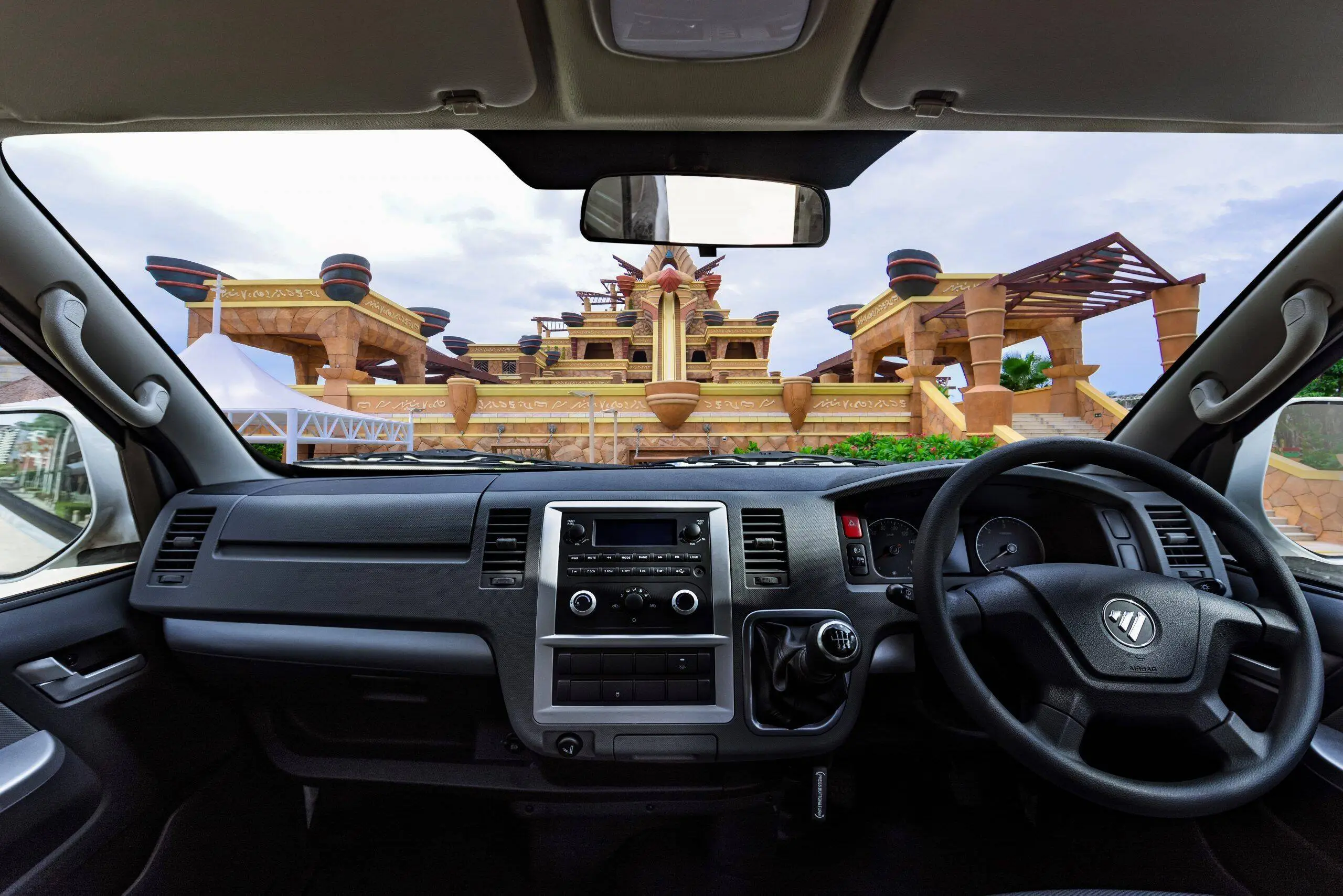
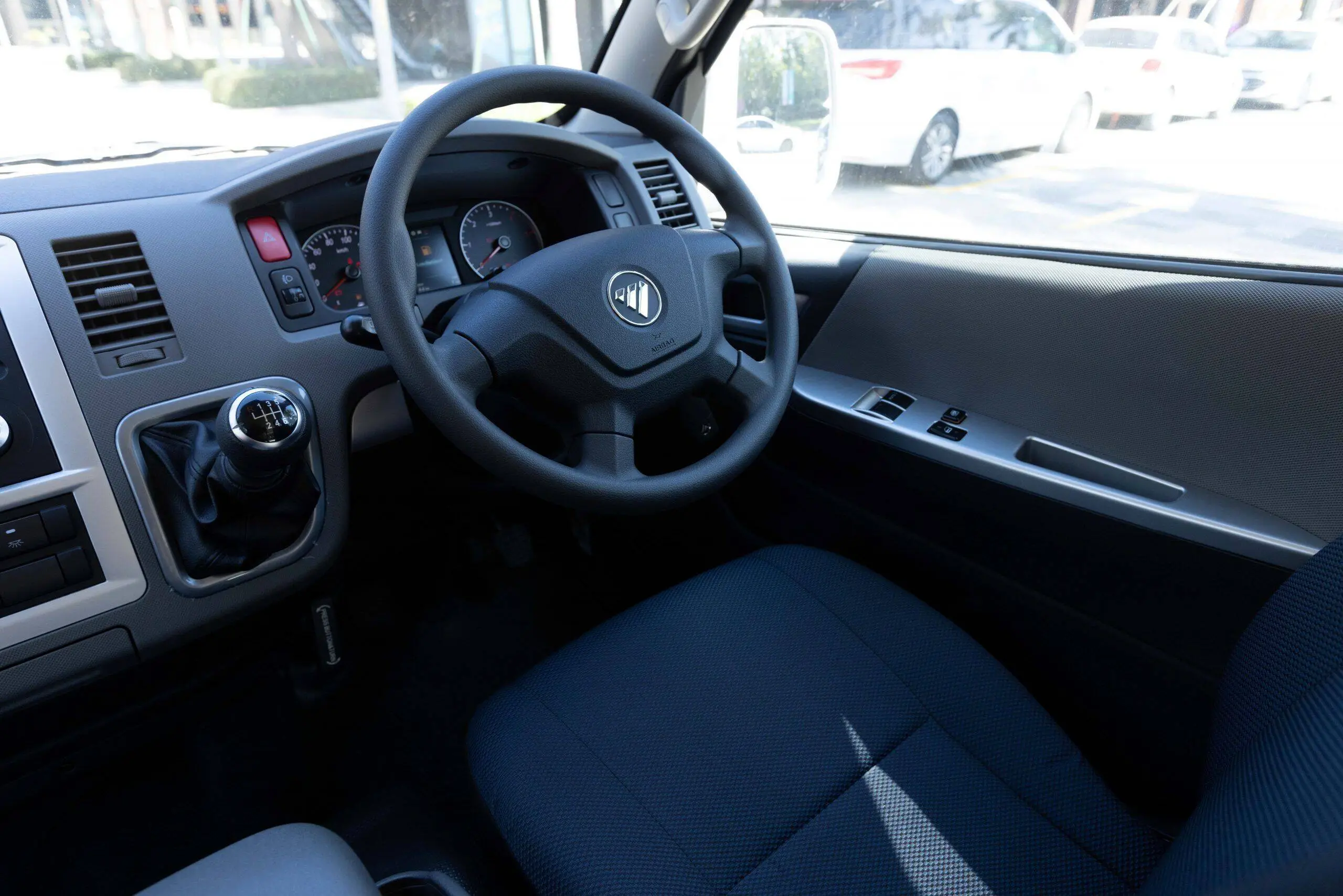


A delivery vehicle earns money only while its load compartment is full and its driver is moving. Everything else is cost: fuel burnt idling outside a locked gate, the bay a long vehicle cannot use, the handover a driver loses because he cannot stand in the back to sort parcels. The BJ5039XXY-ZA View CS2 was specified against those failure points. It is a medium box van on the VK1 platform: 5390 mm long, 1920 mm wide, 2285 mm tall under a high roof, a 3110 mm wheelbase, 3400 kg gross vehicle weight on a 2020 kg curb mass, a 2000 cc Euro IV diesel, a six-speed manual gearbox and right-hand drive. Sold for Mauritius, the whole specification reads as an answer to that market: dense old towns, narrow service lanes, steep approaches, warm humid air, and freight delivered one parcel at a time to doors a larger truck cannot reach.
Start with access, because access is where a small van beats a big one on every operating statement. At 1920 mm body width it passes through the same gates, ramp entrances, basement car parks and market alleys that turn a 2.1 or 2.3 metre wide van into a detour. At 5390 mm overall length it reverses into a kerbside bay without blocking a lane while the driver walks back to guide it. At 2285 mm it clears the height limits that keep taller vehicles out of covered drop-off zones and shopping-centre loading levels. The 3110 mm wheelbase is how all three are achieved while the body still looks like a cargo box: a short wheelbase gives the tight turning circle a stop-and-go route needs and keeps the front overhang short enough that steep driveways do not scrape. A last mile delivery van working a downtown round does not need to be fast, it needs to be somewhere else every four minutes, and geometry decides whether that is possible.
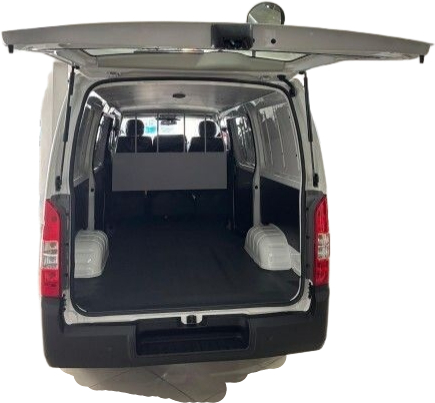
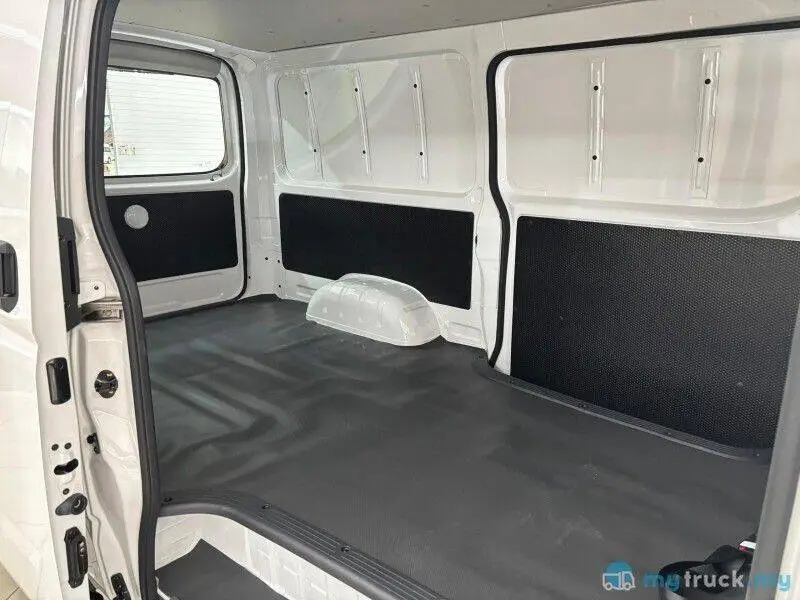
Inside that geometry sits the useful part. The specification lists a 5380 mm cargo box length on this approved model, a load floor running the depth of the vehicle rather than a cab with a short box bolted behind it, so almost none of the footprint is wasted on structure the customer cannot sell. The high roof is the other half of the argument. A tall compartment converts directly into labour time: parcels stack in depth instead of lying flat in a single layer, and a loader stands upright in the back to build and break a load rather than working on his knees in the dark. Where a driver is also the loader, that is not comfort but throughput, which is why a high roof parcel van finishes a round faster than a low-roof van carrying the same weight, and why a courier fleet vehicle is specified around standing height before engine output.
Weight is the third constraint, and the numbers are clean. A 3400 kg gross vehicle weight minus a 2020 kg curb mass leaves just under 1.4 tonnes of payload on a standard build. That is the band to plan against before adding racking, bulkheads, shelving, load straps, a refrigeration unit or lift equipment, all of which come out of the same allowance. It also places the vehicle in the light-commercial class most licensing regimes treat like a car rather than a truck, so a fleet hires drivers on an ordinary licence instead of competing for scarce heavy-vehicle staff. Confirm the registration category in your own market before ordering, since the class boundary is set by the authority, not by this sheet.
The drivetrain is a 2000 cc diesel, the 4F20TC10, built at the Beijing Foton Engine Plant of Beiqi Foton Motor, meeting Euro IV emission standards. Its pairing with the ZM036 six-speed manual from Zhongma and a 4.556 drive axle ratio is the detail that tells you what this van is for. Six ratios on a two-litre diesel give enough top-end overgearing to hold an economic engine speed on the motorway between towns, while 4.556 puts the multiplication where a loaded van needs it, at the wheel, from a stop, on a grade, in first gear. Port Louis climbs, and island roads are never flat for long. A taller ratio would save revs on the open road and cost momentum every time the driver pulled away loaded; this one is set up to pull away loaded. Rated power and torque are not stated on this sheet and will be confirmed against the exact build and destination, because quoting them here would be guessing.
Suspension explains the rest of the character. The front is an independent double wishbone arrangement working through torsion bars, the rear a leaf spring. That is not a compromise but the correct layout for a working van. Double wishbones with torsion bars give the steered axle wheel control closer to a passenger car: the van tracks predictably through a corner with an empty box, it does not float on an expansion joint, and the driver ends a nine-hour round less tired than in a beam-axle equivalent. The rear leaves exist because cargo does. Leaves carry weight simply, tolerate being overloaded, cost little to inspect, can be re-bushed or re-stacked by any workshop on the island, and keep the load floor low because no coil intrudes into the box. Braking follows the same logic in reverse: disc at the front for the effort and heat where mass transfers on braking, drum at the rear where the job is holding on a grade and staying sealed from rain, grit and pressure washing.
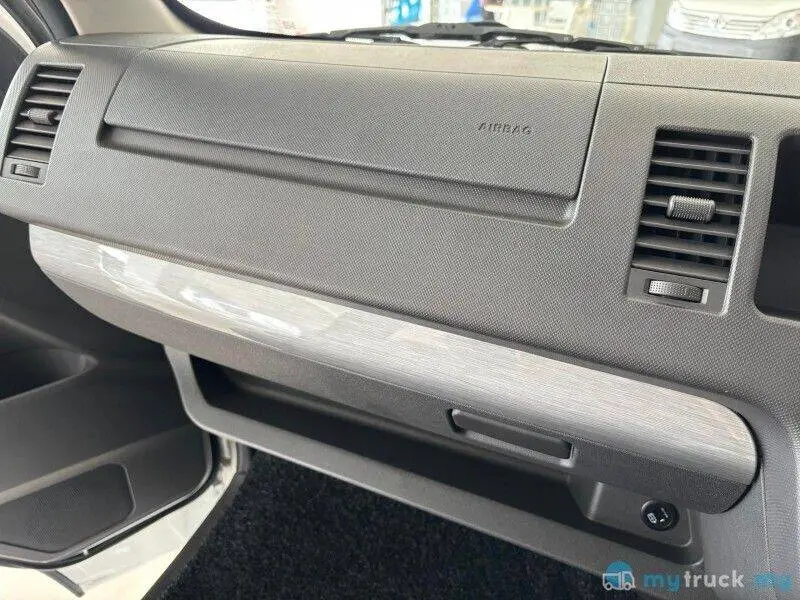
Cab detail is worth the space it occupies, because the cab is the only part of the vehicle the driver touches all day. Three seats means a driver plus a loader, or a driver plus a trainee, the crew combination that actually clears a parcel round in two shifts. Right-hand drive is the correct configuration for Mauritius, where traffic keeps left and a mis-ordered left-hand-drive unit is not an inconvenience but an unusable asset. The high roof extends into the cab, so the front compartment is a place to stand and sort paperwork rather than hunch. On a route with frequent kerbside stops, cab-to-box access is what lets a driver check a label without going outside to unlock and re-lock the vehicle nine times a shift. It is also why a supermarket restocking van can be worked by two people at once, one driving and one building the load, on a run that leaves before the traffic builds.
Now the commercial case, scenario by scenario. An e-commerce parcel round in a provincial capital is the hardest duty a van can be given: hundreds of stops, most on streets too narrow for a larger vehicle, most unsignposted, most requiring the driver to stand in the doorway and hand over a single box. A last mile delivery van wins this duty on footprint and standing height, and nothing else in the specification matters as much. The same argument applies to courier work at a sortation hub, where a courier fleet vehicle is judged on how many drops it completes between two sort waves and how fast it reloads when a wave runs early.
The second is retail. Supermarkets, convenience chains, bakeries, pharmacy groups and hardware merchants share one problem: small frequent replenishment to outlets with no loading dock, in a car park shared with customers. A supermarket restocking van has to carry a full mixed cage of groceries, get out of the way within ten minutes, and let a two-person crew build the load standing up. It also has to be cheap enough for a shopkeeper or franchisee to own, which is why the 3.4-tonne class is bought in fleet quantities rather than one at a time. The third is trades and services: scaffolding, air-conditioning installation, electrical contractors, catering, event suppliers, all of whom carry long, awkward, bulky items that fill a box by length rather than by weight. For those users a high roof parcel van is the buying decision made for them, and the 4.556 ratio with a laden hill start on site is the detail they discover after purchase, which is why it must be specified correctly on day one. The fourth is an integrated distribution model, where the same operator runs the hub shuttle and the kerbside round with one vehicle type in a single specification, which means one parts bin, one driver training programme and one residual value to forecast at refresh.
Ownership cost sits on top of all this. Diesel remains the rational choice for high-stop-count work in a warm climate, because a small-capacity diesel burns a fraction of what a petrol unit wastes idling through the same round, and because the 2000 cc class is where injectors, filters and clutch kits are stocked by default rather than on order. The six-speed manual has no mechatronic unit, no dual-clutch heat problem in stop-and-go traffic on a steep approach, and no specialist diagnostic tool requirement. A 2020 kg curb weight keeps tyre and brake wear inside normal light-commercial ranges. The specification is deliberately unexotic, and unexotic keeps a van on the road and off a parts order.
What this vehicle is not should be stated as plainly. It is not a long-haul box truck, not a heavy-payload tipper, not a chassis for a refrigerated body fitted beyond its payload allowance, and not a people carrier: the three-seat cab and box-van body mean freight and only freight. Cargo volume, interior load height, door openings, engine output figures, tyre size, fuel tank capacity and range are not published on this sheet, and no numbers for them are claimed anywhere here. Tell us your route, your heaviest regular load, your tallest standing requirement, the ramp heights you must clear and the registration category you need in Mauritius, and the BJ5039XXY-ZA View CS2 will be built to that brief.
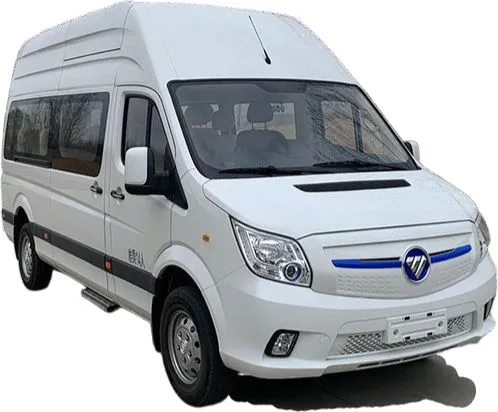
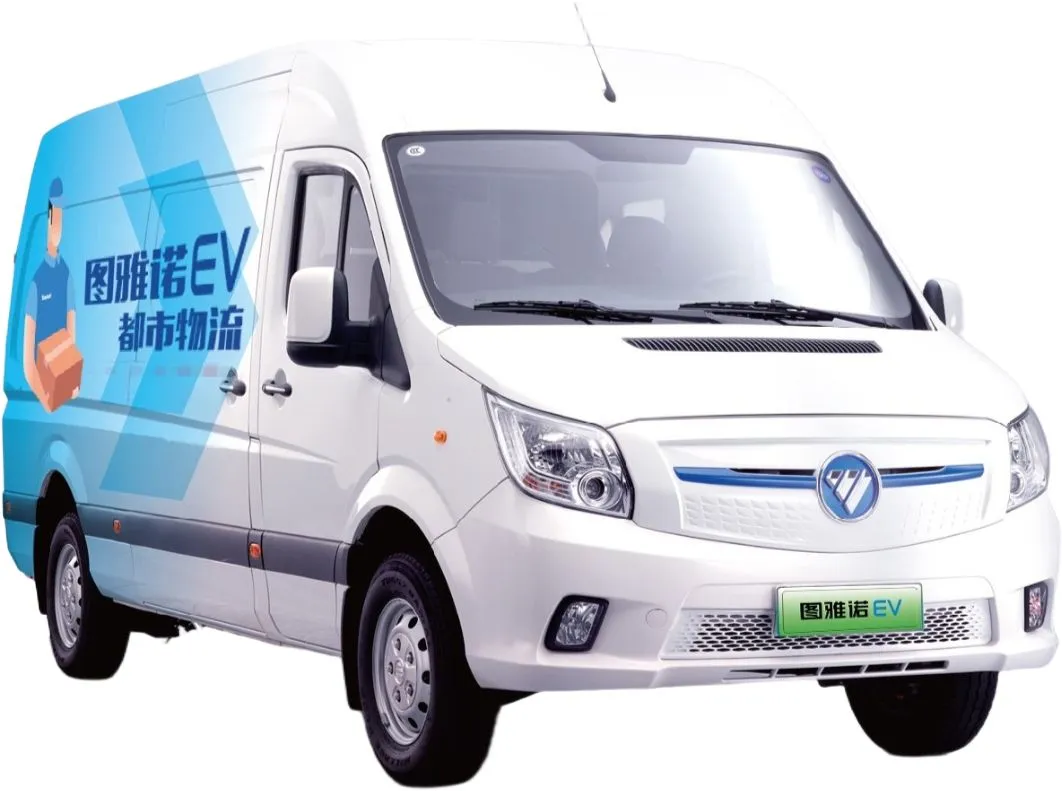
![[USED]Foton Forland EV6 electric passenger van Cargo Van 3050kg GW(2023)](https://cdn.keaikeai.com/uploadfile/upimg/2026-06-25/6a3d32e93596f_1782395625.webp)


