Writer:Alan Chen(Foton Auman dealer)
Small business delivery in West Africa is won on three things: a truck narrow enough for the market lane, cheap enough to be paid off in a season, and simple enough that the mechanic on the corner can fix it. The BAIC BJ M2 3.5 t light truck — type approval BJ1030V6JB5-DA, specified for the Gambia market — is built to exactly that brief. We read the approval sheet carefully, and the case for it rests on an unusual detail for the class: a fibreglass box, a banjo rear axle and standard ABS, at a price that undercuts most diesel rivals.
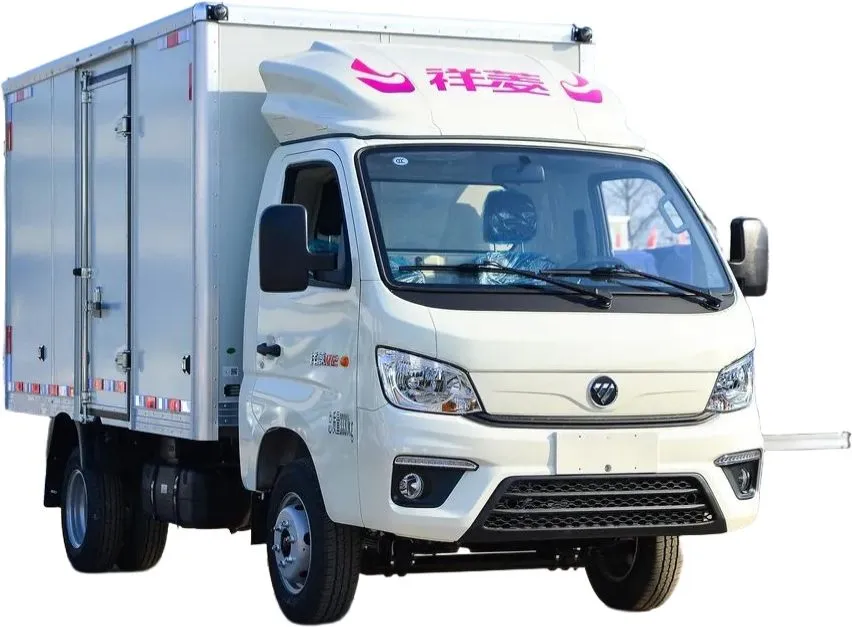
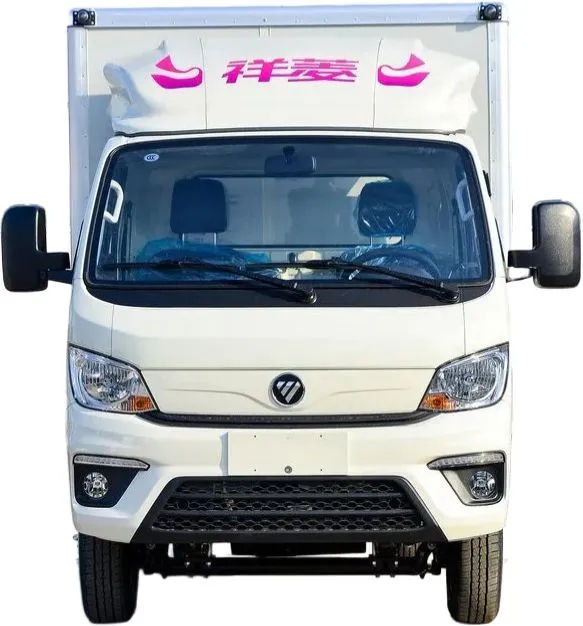
Overall chassis dimensions are 5,005 × 1,725 × 1,945 mm on a 2,850 mm wheelbase, with front and rear track of 1,410 and 1,320 mm. At 1,725 mm wide this is a genuinely narrow vehicle, and that is the whole commercial argument: it goes down market alleys, through older gateways and into loading spaces that would defeat a 2-metre-wide cab. Gross vehicle weight is 3.5 t, and the cab is a single row for two occupants.
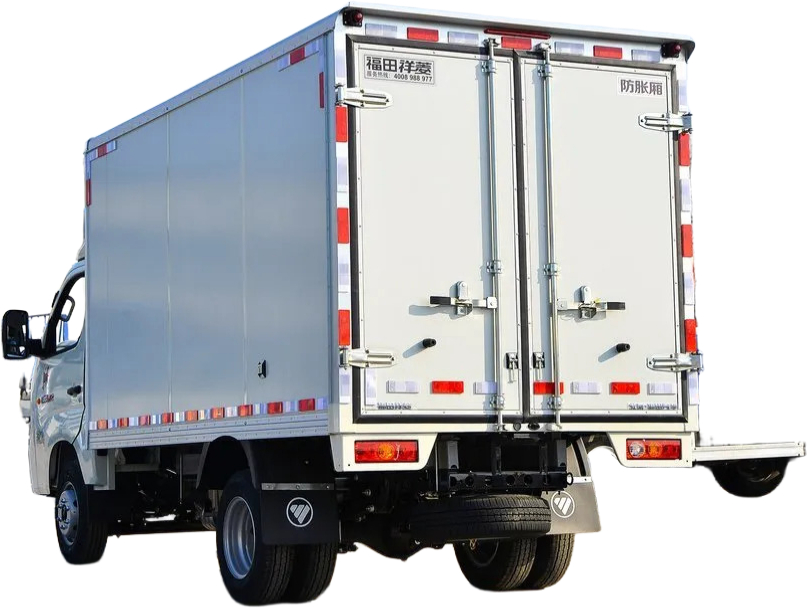
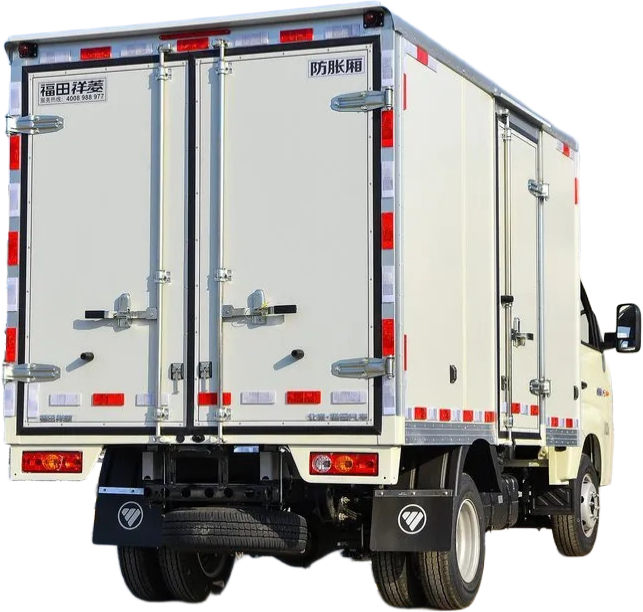
The cargo box is the standout item. It measures 3,300 × 1,710 × 1,710 mm and is built in FRP — fibreglass — with twin rear doors and a single side door, an aluminium tread plate floor and stainless steel door locks. Fibreglass matters in a hot, humid coastal climate: it does not rust, it is light for its volume, and it keeps the dead weight low so more of the 3.5 t rating is available for freight. Stainless locks and an aluminium floor are the same logic applied to the hardware.
"A box that does not rust is not a luxury in a coastal climate — it is the difference between a truck that looks presentable in year five and one that does not."
Power comes from an Anhui Quanchai 4A2-88C53, a 2.156-litre diesel rated at 65 kW with 240 N·m of torque, using high-pressure common-rail injection on a 12-volt system with an electromagnetic clutch fan. The gearbox is a 5G28 five-speed manual from Shandong Menwo, driving a BJ121 banjo-type rear axle rated at 2.5 t with a 4.33 final ratio.
The common-rail system is worth understanding, because it is the difference between this and an older mechanical engine. High-pressure common rail gives cleaner combustion and better low-speed response from a small displacement, which is what makes 2.1 litres usable in a 3.5-tonner. It also explains the honest caveat: this is not a highway cruiser. Maximum speed is listed at 100 km/h, and on long climbs you will use the gearbox. Keep loads within GVW and tell the dealer if your routes are steep, so a different rear ratio or a higher-output unit can be checked.
The frame is riveted and welded with an outer width of 770/620 mm and longitudinal beam sections of 82/130/82 mm. The front axle is a non-disconnecting tubular beam rated 1.5 t with a 70 × 8 mm section; suspension is three leaves at the front and 5+2 at the rear with telescopic shock absorbers. Steering is recirculating-ball.
Brakes are front disc and rear drum, hydraulically actuated with a vacuum booster, a central drum parking brake and ABS as standard. ABS at this price point is genuinely notable, and it is the item to raise with your insurer and with any fleet safety policy you operate under. On a light truck that spends its day making short stops on unpredictable surfaces with a load that shifts, it is worth having.
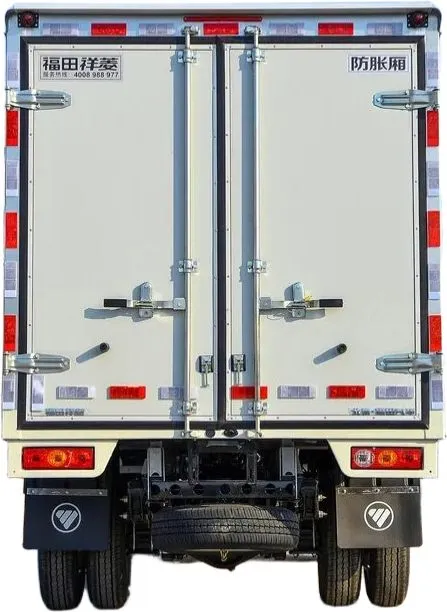
The rear axle is rated 2.5 t against a 3.5 t gross weight, and the FRP box is already fitted, so its weight is part of the vehicle before you load anything. Payload is what remains after the box, driver, fuel and any second occupant — ask the dealer for the weighed kerb figure and plan from there rather than from the class name. With a bed height of 875 mm, loading by hand from ground level is realistic, which matters if your drops have no dock.
Chassis cab versions can take alternative bodies, but the 3.5 t gross and 2.5 t rear axle set a hard ceiling on how heavy that body can be. If you need a different body, send the drawing and let the dealer confirm what payload is left. Tyres are 185R14LT — a common light commercial size, which is good news for replacement cost and availability along West African routes.
"The FRP box is light, but it is still dead weight. Ask for the weighed kerb figure and plan payload from that, not from the 3.5 t badge."
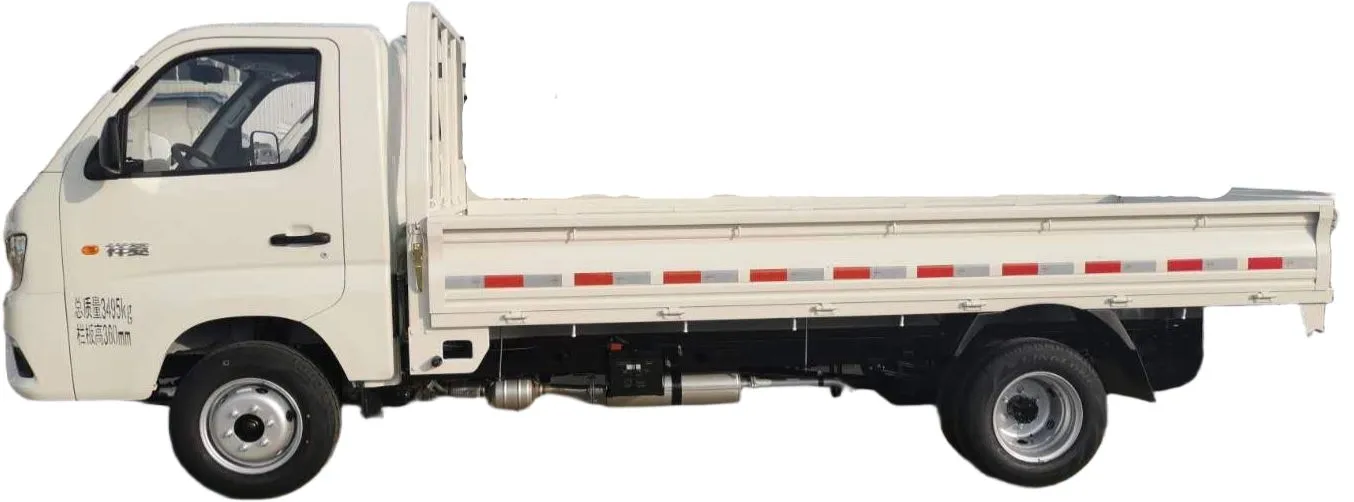
At a listed price of USD 15,786 against an FOB figure of USD 12,200, this sits well below the European and Japanese light trucks it competes with on paper, and the money has gone into the box, the driveline and ABS rather than into interior trim and electronics. For small business delivery, agricultural produce transport, urban delivery and rural logistics, that is the right place for it to go.
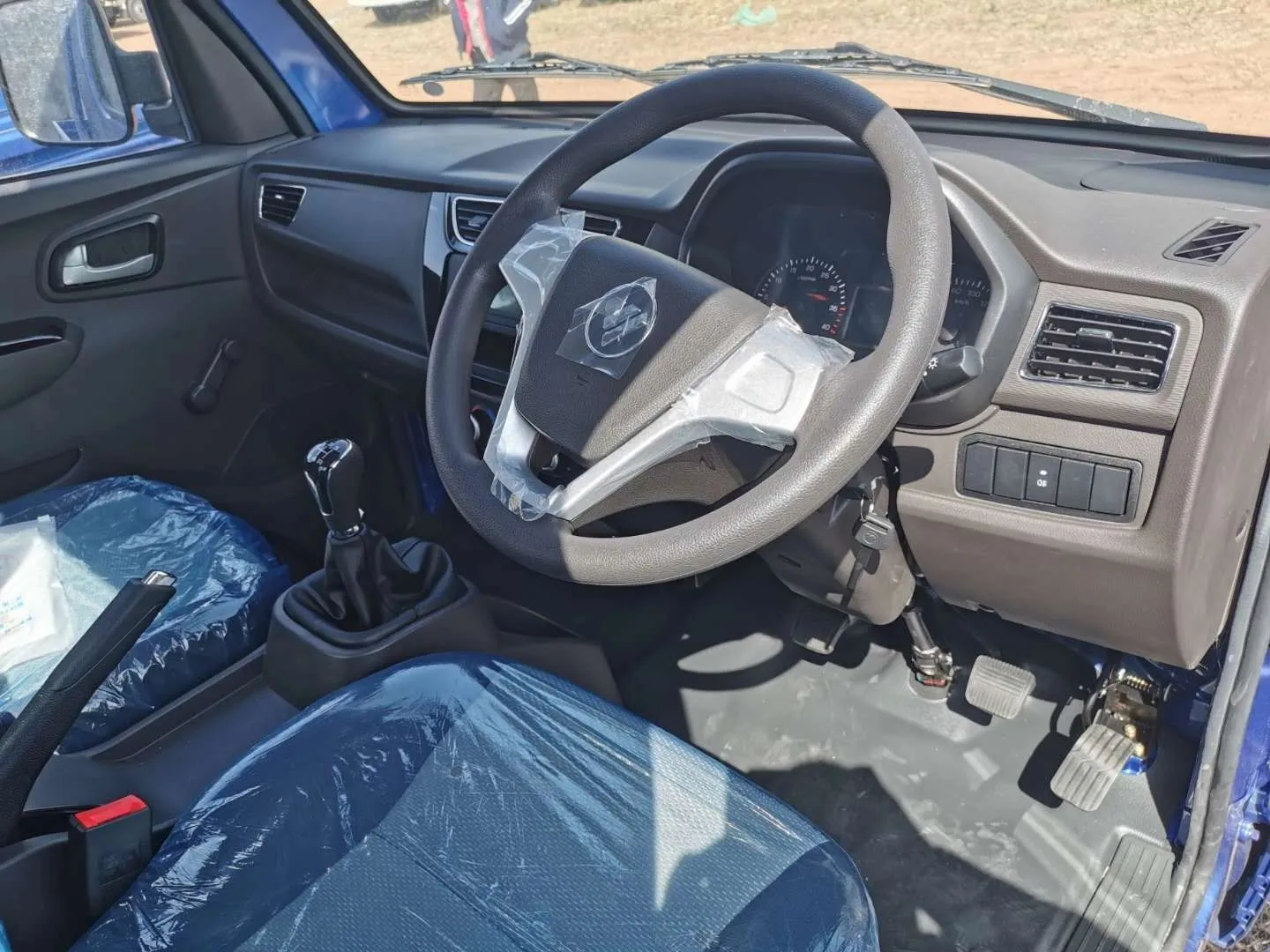
Three things must be confirmed before money moves. First, emission: this is a Euro II vehicle, accepted in markets without a higher requirement, but several West African countries have been tightening import rules on new and used vehicles — verify with your importer, because the emission level is fixed at build. Second, air conditioning: it is optional, and in a hot, humid coastal climate it is close to essential. Third, left-hand drive availability for your country of registration.
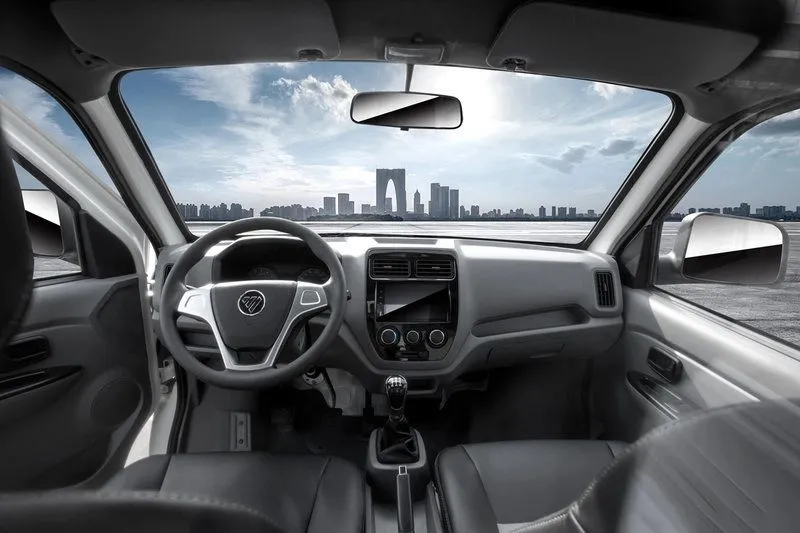
At 3.5 t GVW the 65 kW / 240 N·m Quanchai with common-rail injection, a five-speed gearbox and a 4.33 final ratio is adequate for market produce and general goods on mixed roads. It is not a highway cruiser, so keep loads within GVW and expect to use the gearbox on long climbs. If your routes are steep or you routinely overload, tell the dealer and have a different rear ratio or a higher-output unit checked.
The standard body is a 3,300 × 1,710 × 1,710 mm FRP box with twin rear doors, a side door, aluminium tread-plate floor and stainless locks, on a 2,850 mm wheelbase chassis with an 875 mm bed height. Chassis cab versions can take alternative bodies, but the 3.5 t GVW and 2.5 t rear axle set a hard limit on how heavy that body can be. Send your body drawing and confirm the payload left over.
This M2 is Euro II, which is accepted in markets without a higher emission requirement, but several West African countries are tightening import rules on both new and used vehicles. Verify the current rule with your importer before shipment, because emission level is fixed at build and cannot be upgraded later. Air conditioning is optional and worth adding in hot, humid coastal climates.
Work from the weighed kerb figure rather than the 3.5 t class name, because the FRP box is already on the vehicle. Subtract driver, fuel and any second occupant, and remember the 2.5 t rear axle is the limiting component. Overloading past GVW shows up first in braking distance and tyre wear, and on a truck this light it changes the handling balance quickly.


Tel:+8615960378211
Email:[email protected]
Address: Unit 8,room 704,NO.492,XingLinWan Road,Jimei District,XiaMen Fujian China
Address: Unit 8,room 704,NO.492,XingLinWan Road,Jimei District,XiaMen Fujian China
Email:[email protected]
© Authorized Dealer of FOTON AUMAN 2026 All Rights Reserved, Auman truck is a commercial vehicle brand under the Foton Daimler
Privacy policy


