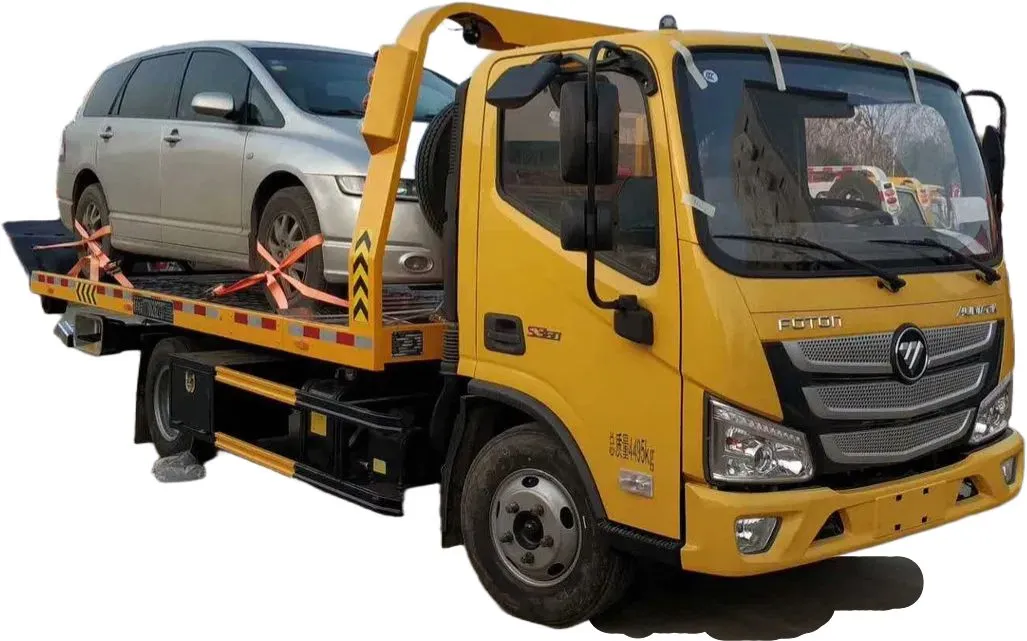
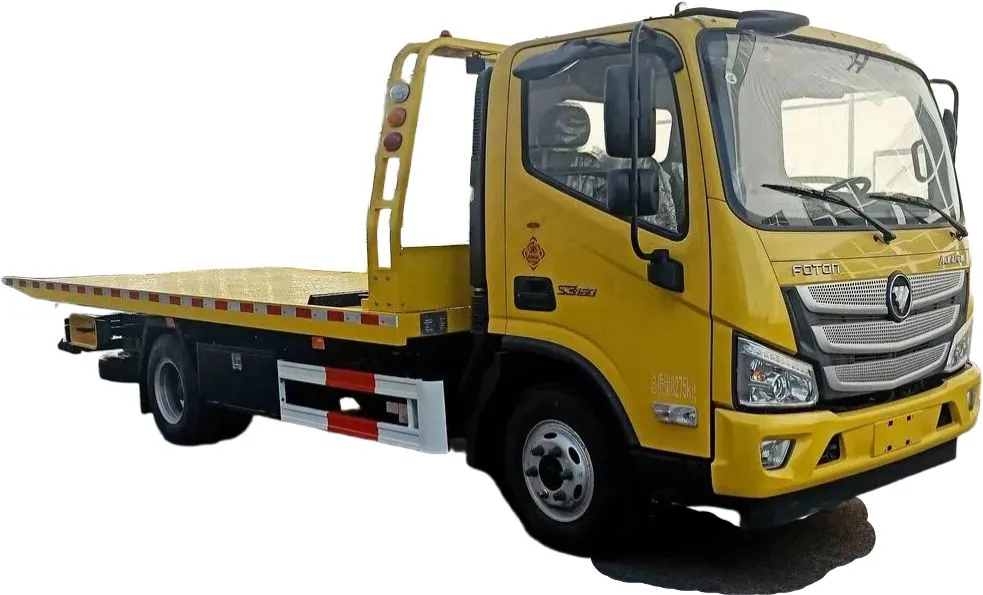
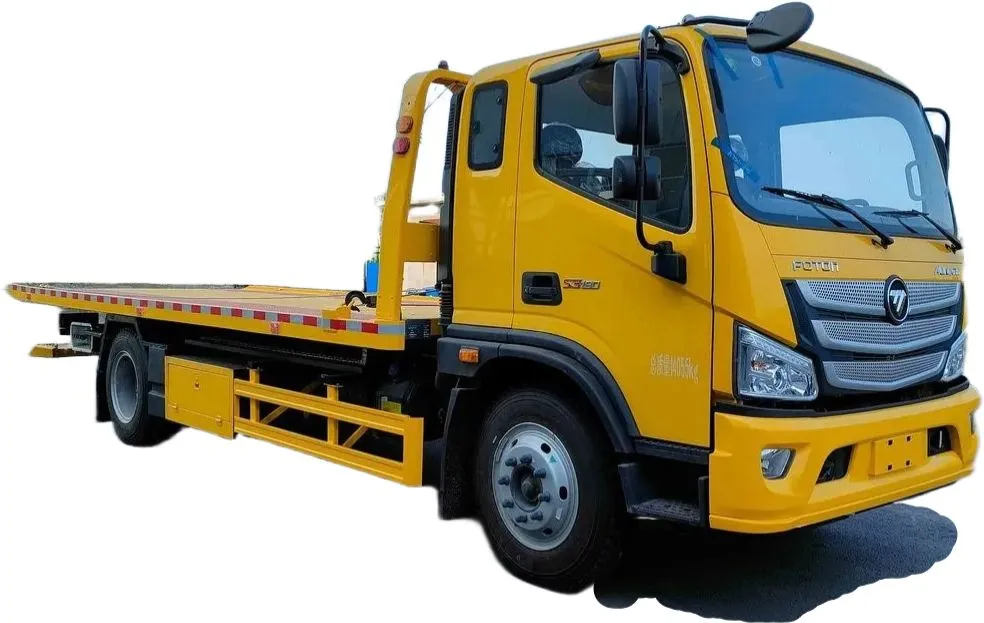
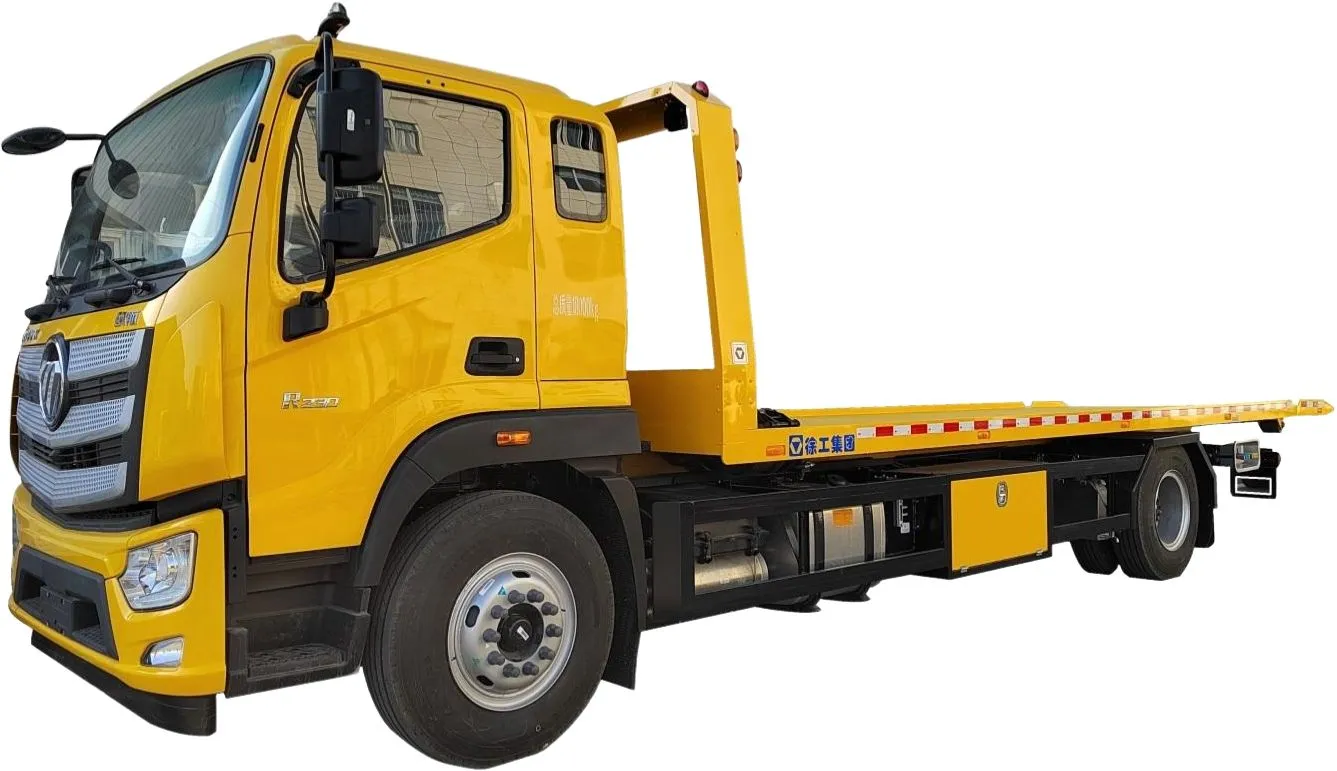
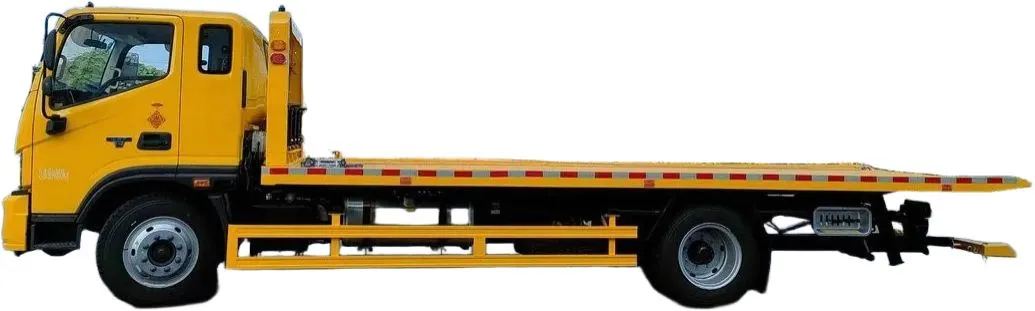
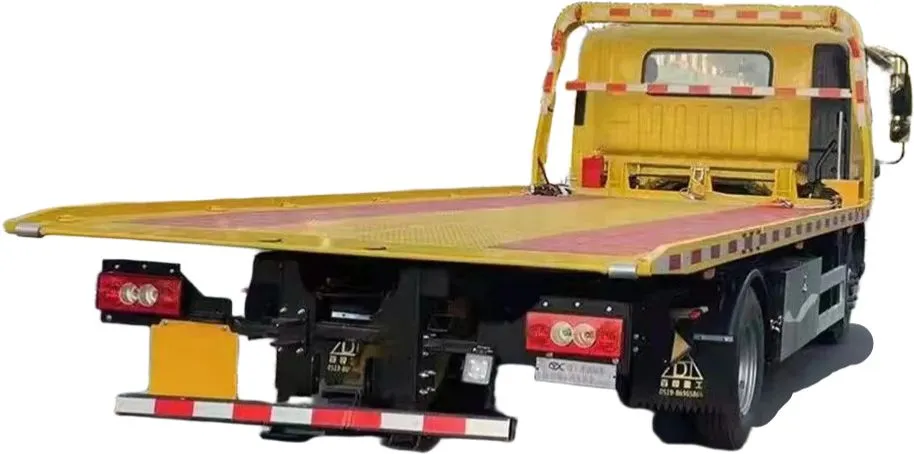


A recovery truck is judged on the worst call-out it has to answer, not the average one. The vehicle sitting across the lane is loaded, damaged, locked, off the road, or all four at once, and the operator has exactly one chance to attach, lift, load and go without winching a hub, calling for a second unit, or writing an incident report. The BJ1186VLPHN-F2 Aumark EST-M was specified for that moment. It is a 22-tonne 4x2 recovery carrier built on a 5750 mm wheelbase with a 9900 mm chassis, a Dongfeng Cummins ISD270 50 Euro V engine at 6.7 litres and 180 kW, a Fast 8JS118TA-B manual transmission, a power take-off driving the hydraulics, and a rear rolling platform 8400 mm long that carries 12,000 kg with an 80 kN winch built in. Sold for Turkmenistan as a left-hand-drive unit, it is a working asset sized for the wide, long, sparsely serviced highways of the Caspian lowlands, where a stranded truck waits hours, not minutes, and the recovery vehicle has to be self-sufficient enough to do the whole job by itself.
The chassis explains what this vehicle can be asked to do. Gross vehicle weight is rated at 22 tonnes, distributed across a 5.5-tonne front axle and a 10-tonne rear axle, and the rear suspension is a leaf spring stack listed as 10 main with 10 plus 8 helper leaves against 10 at the front. That is an unusually deep spring pack, and it exists for one reason: a recovery truck carries its heaviest load in exactly the wrong place, all of it behind the rear axle on the tail of the frame, where a cargo truck would never dream of putting weight. The platform geometry makes the same point. The rolling deck measures 8400 mm outer frame by 2540 mm wide, 8340 by 2520 mm inner, with a maximum carried mass of 12,000 kg and a deck-to-ground height of 1.2 m, and the platform extends on cylinders with 4200 mm of stroke so the loading angle can come down to 8 degrees off the ground. Those are the numbers a recovery operator reads as options: 8 metres of deck swallows the wheelbase of a mid-size truck or a bus fragment, the 4.2 metre extension turns a steep ramp into a shallow one, and 8 degrees is what lets a damaged vehicle with seized brakes or a collapsed suspension be dragged up without levering anything. The 1.2 m transport height is low enough to keep the loaded centre of gravity under control at highway speed and to clear loading structures that taller setups cannot enter.
Powertrain sizing follows the logic of heavy slow work rather than line-haul speed. The ISD270 50 comes from Dongfeng Cummins, displaces 6700 ml, meets Euro V emission standards and is rated at 180 kW on this approval sheet. It is a six-and-a-half-litre heavy-duty engine, a class chosen for torque reserve at low revs, which is what winching, tilting and pulling a dead vehicle onto a deck actually consumes. Transmission is the 8JS118TA-B from Fast, a multi-range manual box with the low crawler ratios a loaded ramp demands. Final drive is 4.875 at the rear axle, a short ratio for the class, deliberately set so the truck can pull the combination away from the shoulder, climb a ramp apron, or drag at low speed with hydraulics loaded without riding the clutch. A power take-off is fitted and is the reason the whole upper structure works: hydraulic functions are driven from the engine, so the winch, the tilt and the extension run at full power whether or not the truck is moving, with no separate engine to fuel, service or steal. A wind deflector is fitted ahead of the cab, which on long patrol runs between depots is the cheapest available fuel saving.
The service hardware rounds out a truck meant to live on the road. Braking is air actuation with drums front and rear under ABS, the conventional heavy-truck selection for sustained loads, and the trade-off is accepted honestly: drum brakes want more care on long loaded descents than discs, and a recovery driver descending a grade behind a 12-tonne deck load uses lower gears and engine braking as the primary tools. Steering is the AM65L unit, matched to the front axle. Tyres are 295/80R22.5 with seven fitted, six on the road plus a spare, the most widely stocked truck size across the CIS road network, which decides downtime more than any brochure promise. The 450-litre fuel tank is sized to the geography: highway patrols between service towns are long, and a recovery unit that has to hunt for fuel is a recovery unit that is not available.
The winch is rated at 80,000 N, eighty kilonewtons of line pull, and that figure should be read carefully because it is where amateur comparisons go wrong. An 80 kN winch is a heavy-duty pulling unit, sufficient to drag loaded vehicles up the deck and to break free vehicles that have slid off the road surface. It is sized in balance with the deck: a platform that carries twelve tonnes deserves a line rated to move twelve tonnes, and neither item is oversized marketing against the other. The real operating skill is rigging and angle management, and the specification supports it with the 8-degree loading angle and the long cylinder stroke.
Where does this truck make money? The first and highest-value use is permanent highway standby. Turkmenistan's trunk corridors link regional centres across distances where a broken-down lorry may wait half a day, and contracts for that duty pay for capability, not speed of purchase. A purpose-built heavy duty wrecker truck with an 8-metre deck can recover a laden medium truck in one visit where lighter equipment needs two vehicles, a long tow bar and a permit. The second case is the municipal and enterprise fleet: city transport departments, industrial concerns, ports and construction groups that must clear their own yards and access roads keep the truck as insurance, and the PTO-driven hydraulics mean one operator can rig, winch and load without assistants. A flatbed tow truck in that role stops paying outsiders every time a vehicle blocks a gate.
The third case is the roadside-assistance operator serving mixed traffic, from vans and light pickups to coaches and trucks, because the platform handles the full range a motorist emergency meets: a breakdown recovery service unit on this chassis answers a light van call and a truck call with the same equipment, no wheel-lift fiddling on awkward vehicles, no second dispatch, and as an accident recovery vehicle it clears an accident scene without waiting on a heavier crane unit. The fourth case is vehicle movement rather than rescue: transporting machinery, damaged stock, unregistered units and workshop transfers on the 2540 mm deck, work that quietly fills the calendar between emergency calls and turns a flatbed tow truck into a year-round revenue asset. The fifth is airport-side, depot-yard and border-crossing clearance work, where a blocked ramp or a disabled shuttle has to be off the surface before operations resume. In every one of these roles the truck is an accident recovery vehicle first, and the deck, winch and stroke are what let one crew finish the job without a second dispatch.
The cab is a row-and-a-half, the layout that carries a driver and a mate with room for rigging gear between them, with a flat roof and a left-hand position for local traffic rules. The trim level is deliberately utilitarian and should be understood as such before ordering: electric air conditioning is standard, which matters enormously on a Caspian summer, and the MP3 head unit is fitted, but window lifts are manual, the locks are mechanical and there is no central locking. That is a durability choice as much as a cost one, fewer motors and actuators to fail on a truck whose crew climbs in and out with gloves on, all day, in dust. The seating field on the approval sheet records an obviously corrupted value for occupant count, so crew capacity should be confirmed against the final certificate rather than that line.
The ownership case is arithmetic. A 22-tonne heavy duty wrecker truck that can self-load a recovered vehicle in twenty minutes replaces a two-vehicle dispatch: no separate support unit, no wheel-lift negotiation with a damaged suspension, no long tow through town requiring escorts and permissions. A Cummins engine with a Fast gearbox means every truck garage between Ashgabat and the border regions can diagnose it and stock its filters, injectors and clutch parts. The 295/80R22.5 tyres are common, the leaf springs are stackable and replaceable at any roadside shop, and the air brake system is the most familiar architecture a heavy-vehicle mechanic knows. The 450-litre tank keeps the unit on patrol without refuelling detours, and the Euro V engine meets current heavy-truck practice without exotic exhaust treatment demands in a fuel landscape that has improved but varies.
What is not claimed here, stated plainly: no trailer towing rating, gross combination weight, hydraulic flow or pressure figures, boom or wheel-lift capability, lighting package or beacon specification, and no body tare weight appear in the supplied data, so none of those are quoted above; the winch rating of 80 kN is a line-pull figure and effective pull in service depends on rigging and layer count. Homologation details for export to Turkmenistan, registration class, emission acceptance and any warranty or after-sales terms are not included in the supplied sheet and must be confirmed separately. Provide the heaviest vehicle you expect to recover, the typical recovery terrain, and the equipment options you want on the deck, and this breakdown recovery service chassis, the BJ1186VLPHN-F2, will be configured to that brief.