Writer:Alan Chen(Foton Auman dealer)
Electric trucks are easy to approve in a boardroom and much harder to approve once you have to make the numbers work on a real route. The questions are always the same: will it finish the shift, where does it charge, and what happens when the refrigeration unit is pulling from the same battery as the driveline. We worked through the specification for the Foton ELE4 7.5T electric refrigerated truck chassis — a 4×2 with a 100.46 kWh CATL battery and European-standard CCS2 charging — and the answers are mostly reassuring, provided you size the duty cycle honestly before you order rather than after.
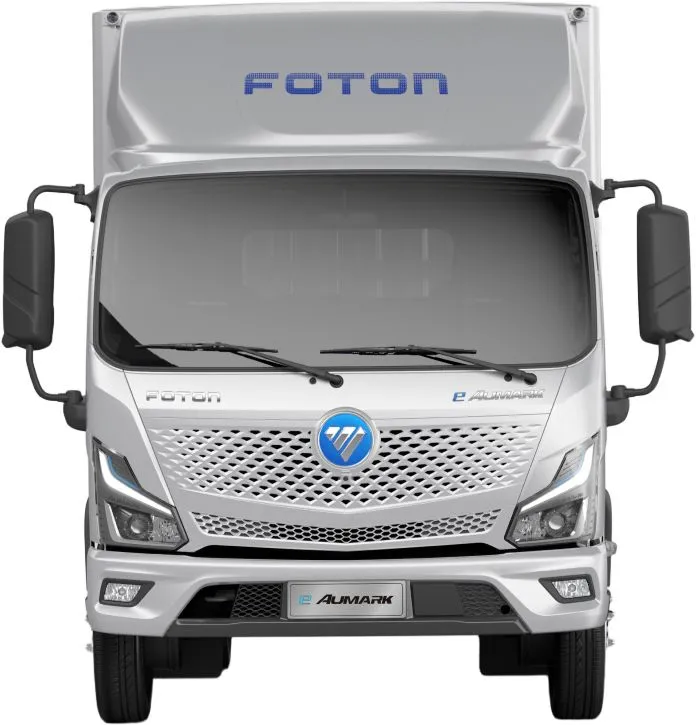
The sheet gives two range numbers and you should understand both. Driving range on the C-WTVC cycle at 25 ℃ is 180 km; the actual test figure is 186 km. Energy consumption is listed at 537 Wh/km, and the working condition is given as C-WTVC with variable speed. Crucially, the test load for that range figure is listed as 8,500 kg, while the gross vehicle weight is 7,480 kg — so ask your dealer to explain how the two relate for your registration and payload planning, because they are not the same number.
For most urban delivery, market transport, light logistics and last-mile work, a genuine 180 km window is a full shift with margin — particularly on a chassis whose maximum speed is 90 km/h and whose acceleration to 50 km/h takes 7.7 seconds. That acceleration figure matters more than it sounds: a refrigerated truck doing thirty drops a day spends its life pulling away from kerbs and junctions, and instant electric torque removes the gearwork entirely. There is no gearbox at all — transmission is listed as none, with a single reduction ratio of 15.52 in the electric drive axle.
"One hundred and eighty kilometres is a shift, not a journey. Plan this truck around a depot and a night charger, and it makes sense; plan it around a motorway and it does not."
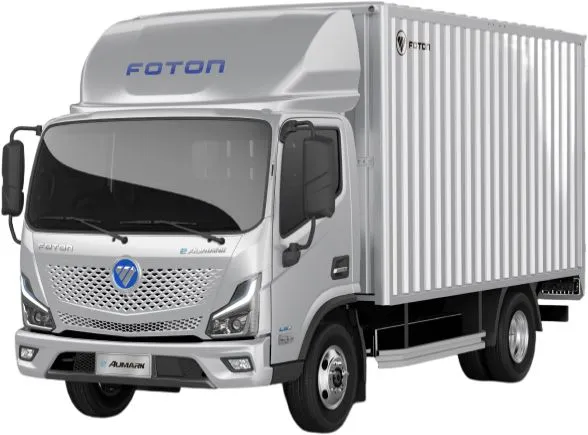
This is the single biggest relief on the sheet. The charging socket is a European-standard CCS2, which is the connector used across the EU and Ukrainian public networks, so there is no adapter conversation and no proprietary infrastructure to negotiate. Slow charging power is 22 kW AC; the BMS maximum charging power is 100 kW DC.
Charging time from 20% to 100% state of charge at 25 ℃ is listed as 5 hours on AC and 1 hour on DC. Translate that into operations: an overnight AC charge on a depot wall box fits a normal shift pattern with no infrastructure upgrade beyond the charger itself, while an hour on DC gives you a midday top-up option if your route is longer than the pack comfortably covers. What is not on the sheet is cold-weather performance. Expect less range in freezing weather and less again with the refrigeration unit running, so ask your dealer for derating guidance for your climate before you commit.
The pack is CATL lithium iron phosphate, 100.46 kWh in a dual-pack arrangement at 502.32 V, weighing 660 kg, with liquid cooling. LFP chemistry is the right choice for commercial work: it is tolerant of frequent full charges and has a long cycle life relative to the alternatives. Liquid cooling is the other specification worth noting, because a passively cooled pack working hard in summer traffic will throttle.
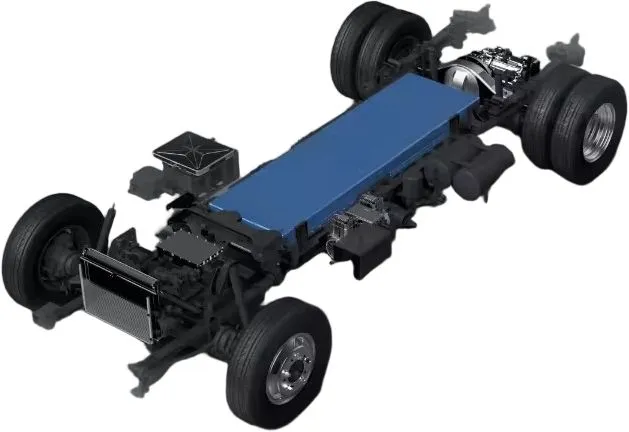
The packs are arranged on both sides of the frame rather than inside the cargo area, which keeps the load floor clear — a real advantage when you are fitting an insulated box. The motor is a permanent magnet synchronous unit, model FTTBP150A, rated 75 kW and peaking at 150 kW, with 250 N·m rated and 560 N·m peak torque at up to 12,000 rpm. The headline rating for the vehicle is 204 hp. Power electronics are an FTIVT200 unit integrating MCU, DCDC and PDU at 540 V and up to 400 A.
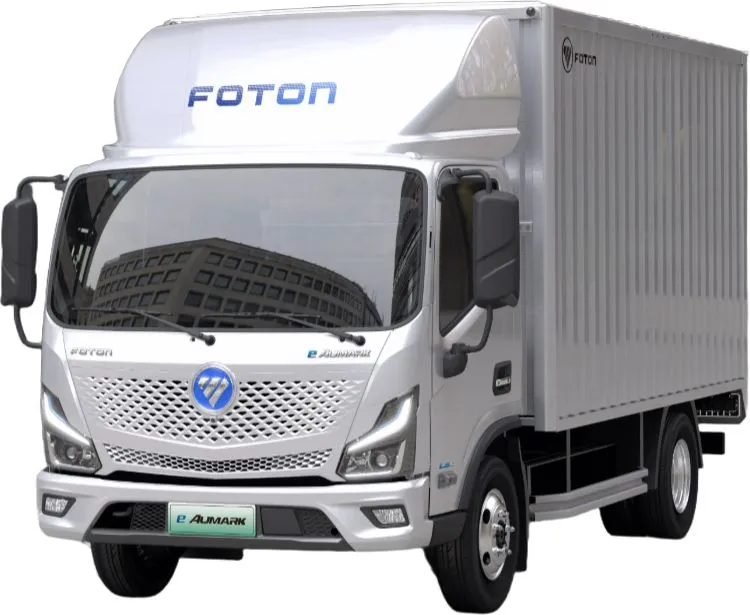
An ePTO interface is standard, which is the item that makes this chassis a genuine refrigerated truck rather than a box van with a fridge bolted on. The refrigeration unit is driven electrically from the traction battery instead of by a separate diesel engine. That removes a second fuel system, a second service schedule, and the noise and emissions of an idling diesel unit in a city centre — which is increasingly what access rules in European cities are written against.
The trade-off is arithmetic, and it is the arithmetic that will decide whether this truck works for you: the compressor draws from the same 100.46 kWh pack that gives you 180 km of range. There is no separate tank. Share your door-open frequency, ambient temperature and set-point with the dealer and have them size the duty cycle with you before you sign. A route that works in October may not work in August.
"An ePTO means no second engine and no second fuel bill — and a compressor drawing from the same kilowatt-hours that move the truck."
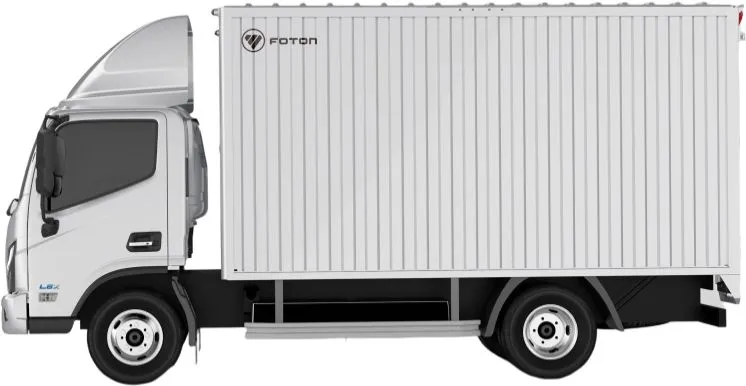
The Class II chassis weighs 3,015 kg against a 7,480 kg GVW, which leaves roughly 4.4 t for body, driver and cargo. An insulated refrigerated box is heavy, and its weight must come out of that allowance — so weigh the body into your budget before you count payload. Axles are rated 3 t front and 6 t rear, and minimum turning diameter is listed at 12 m or less, which is a genuine advantage in dense delivery streets.
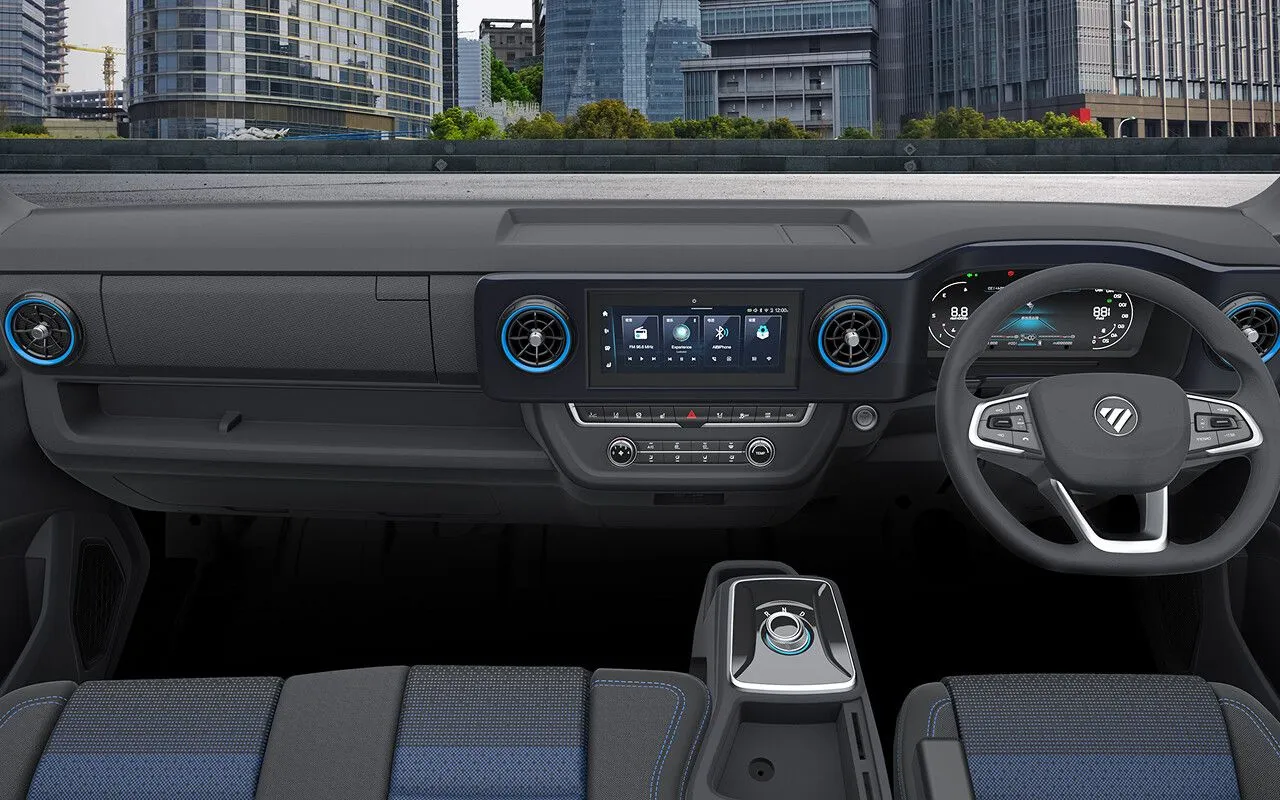
Brakes are air-operated with discs front and rear and an EPB, with automatic adjustment arms. The safety list is unusually complete for a light truck: ABS, EBS, EBD, EPB, ESP, AEBS, ASR, HSA, LDWS and TPMS are all fitted, alongside LED daytime running lights, automatic headlights, front fog lamps, MP5, reversing camera, reversing radar and buzzer, Bluetooth, cruise control, power windows, electrically adjustable and heated mirrors, and electric air conditioning. For driver retention — the hidden cost in last-mile work — that specification matters more than the badge on the grille.
Yes. An ePTO interface is standard, so the refrigeration unit is driven electrically from the traction battery instead of by a separate diesel engine, removing a second fuel system and allowing zero-emission running in city centres. The compressor draw comes out of the same 100.46 kWh pack that gives 180 km of C-WTVC range, so share your door-open frequency and ambient temperature and size the duty cycle with the dealer.
The truck carries a European-standard CCS2 socket with 22 kW AC and up to 100 kW DC, so it plugs into the public network used across Ukraine and the EU without an adapter. At 25 ℃, 20–100% takes about one hour on DC and five hours on AC. Range is 180 km on the C-WTVC cycle and 186 km in the actual test at 8,500 kg test load; expect less in freezing weather or with the refrigeration unit running.
The Class II chassis weighs 3,015 kg against a 7,480 kg GVW, leaving roughly 4.4 t for body, driver and cargo, so an insulated box has to be weighed into the budget before you count payload. Axles are rated 3 t front and 6 t rear, and the battery sits along both frame rails rather than inside the cargo area. Send your box length and target payload to the dealer and have the axle split checked.
Four things. Confirm cold-weather range derating for your climate, since the published figures are at 25 ℃. Confirm the refrigerated body weight and its effect on the 4.4 t allowance. Confirm left-hand drive availability — the listed build is left-hand drive. And confirm local service capability for a 540 V high-voltage system, because not every workshop is equipped or certified for it.


Tel:+8615960378211
Email:[email protected]
Address: Unit 8,room 704,NO.492,XingLinWan Road,Jimei District,XiaMen Fujian China
Address: Unit 8,room 704,NO.492,XingLinWan Road,Jimei District,XiaMen Fujian China
Email:[email protected]
© Authorized Dealer of FOTON AUMAN 2026 All Rights Reserved, Auman truck is a commercial vehicle brand under the Foton Daimler
Privacy policy


